Pillar guide
June 2026 · 14 min · By Bilal Hussain
Is Pakistan Safe to Travel in 2026? An Honest Guide
Region by region, in plain language: where it is safe, where it isn't, and what has actually changed in 2026.
Is Pakistan safe to travel in 2026? Yes, on the tourist corridor that almost every foreign visitor comes for, with the same routine care you would take in any non-EU country. The honest, longer answer is the one that matters: certain regions are not safe, the picture changes by district, and the difference between a smooth trip and a botched one is which sources you trust. This guide is written by our safety lead from inside Pakistan, not by someone three flights away with a sub-3,000-word SEO brief.
The short answer
If your itinerary is Islamabad, Lahore, Hunza, Skardu, Fairy Meadows, the Kalash valleys, Swat or the Karakoram Highway between them, it is safe. Hundreds of thousands of domestic Pakistani tourists do these routes every summer, and the foreign-tourist number rebuilt from near-zero in 2014 to several hundred thousand a year by 2024. The country has its problems, and we'll name them; the tourist corridor isn't where they sit.
If your itinerary involves the Afghan border districts, southern Khyber Pakhtunkhwa, the tribal belt, Balochistan outside Quetta, or unaccompanied travel along the Iranian border, that is a different conversation, and the answer is: don't, or come to us first.
What has actually changed in 2026
Three things are different from the picture most people remember:
- The security operations that began in 2014 fundamentally reshaped where militancy operates. Major cities and the entire northern tourist belt have been calm for the better part of a decade.
- Tourism infrastructure inside the corridor is now mature, police tourist units in Hunza and Skardu, monitored toll roads on the KKH, scheduled army convoys where required, and clear NOC (No Objection Certificate) procedures for restricted zones.
- The 2024-25 spike in militancy in southern KP and parts of Balochistan is real and ongoing, but geographically narrow. It has not affected Gilgit-Baltistan, Hunza, Skardu, the Karakoram Highway, the Punjab, Islamabad, Lahore or Sindh.
Region by region
Gilgit-Baltistan (Hunza, Skardu, Fairy Meadows, Khunjerab)
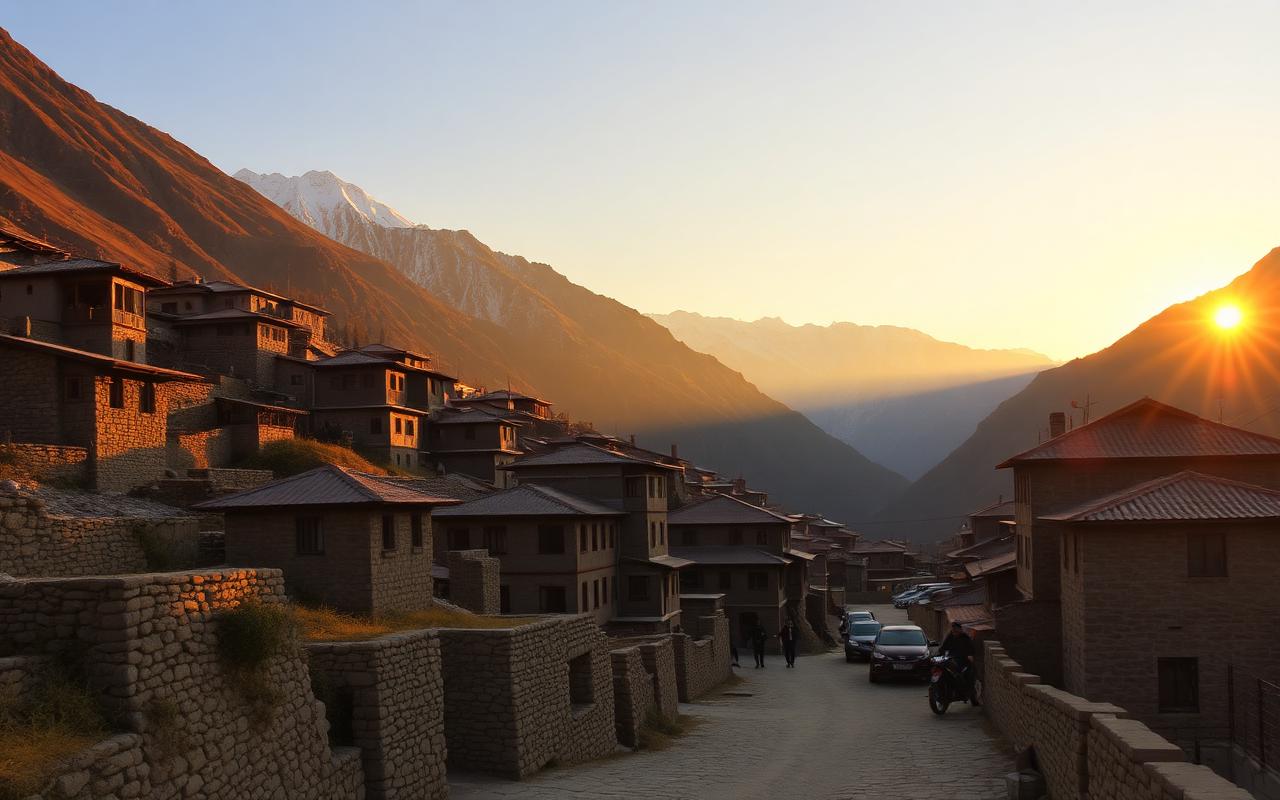
The safest region in the country and has been for a decade. Low petty crime, almost zero violent crime against tourists, deeply hospitable Ismaili and Shia communities. The risks are mountain, weather and altitude, not security. This is where most of our trips happen.
Northern Khyber Pakhtunkhwa (Swat, Kalam, Chitral, Kalash valleys)
Safe and reopened for tourism since 2018. Swat has been on the rebuild for years; the valley is now full of Pakistani holidaymakers in summer. The Kalash valleys are open with a guide and a permit. We use a local fixer for the Kalash leg and we still recommend a 4×4 day-trip approach rather than overnighting in remote villages without a host.
Southern KP and the former tribal districts
Not safe. South Waziristan, North Waziristan, Bannu, Tank, D.I. Khan and the Afghan border belt have seen sustained militant activity through 2024-25. We do not take trips there. They are not on any tourist itinerary that should be sold to you.
Punjab (Lahore, Islamabad, Multan, Bahawalpur)
Safe. Lahore and Islamabad are among the safest large cities in South Asia for foreign visitors. Petty crime exists; violent crime against tourists is very rare. Multan and Bahawalpur, and the Cholistan desert, are fine with a local guide.
Sindh (Karachi, Mohenjo-daro, Sufi shrines)
Safe, with the standard urban caveats for Karachi (it is a 20-million-person city). Mohenjo-daro, Sehwan Sharif, Bhit Shah, the interior shrines, all routinely visited. We use a local guide and avoid late-night intercity road travel.
Balochistan
Largely off-limits for tourism. Quetta itself is visitable with an NOC and a security escort but we don't recommend it for a normal trip. The southern coast (Gwadar, Ormara) and the Iranian border zone are not safe for independent travel and we don't go.
Azad Kashmir & the Neelum Valley
Safe for tourism in the visited corridor (Muzaffarabad, Neelum Valley up to Kel). The Line of Control with India is a sensitive zone, we follow current army guidance on which days and which viewpoints are open. Foreign passport holders need a permit obtained in advance.
Is Pakistan safe for women travellers?
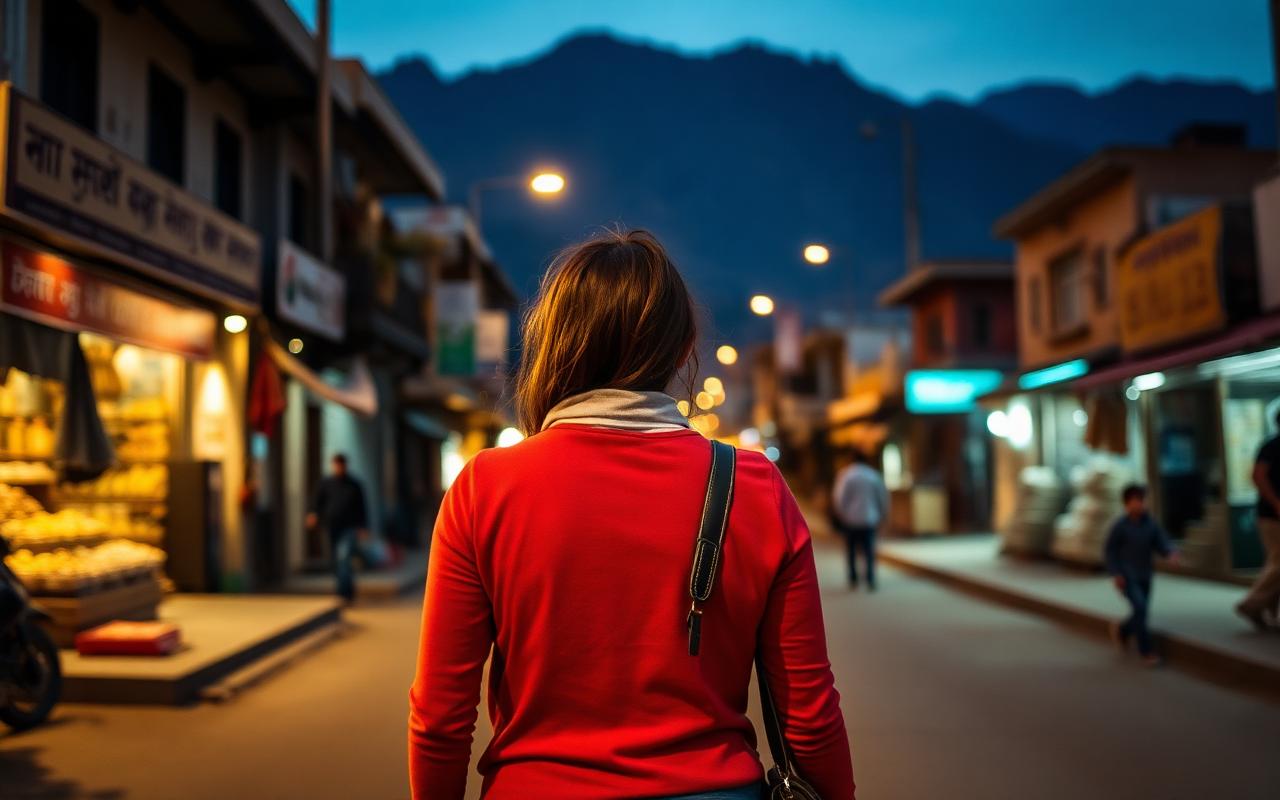
Yes, and the reality is closer to neutral than the headlines suggest. Pakistan in 2026 sees thousands of foreign women travelling solo, in pairs, in groups, on every itinerary we run. The country is conservative, what that looks like in practice is people watching, occasional staring, and a very high frequency of being offered tea by strangers.
- Dress modestly: loose long-sleeve top, trousers or a long skirt, a light scarf in your bag for shrines and rural villages. You do not need to cover your hair in cities or restaurants.
- Solo at night: avoid walking alone after dark in unfamiliar neighbourhoods (true of most countries).
- Markets and bazaars in lowland cities can feel intense, go with a guide the first time.
- The mountain north is markedly more relaxed than the lowland south on dress and interactions.
- Catcalling exists in Karachi and Lahore; staring is common nationwide. Neither is generally a precursor to anything worse, but it can be uncomfortable.
Our separate guide for female travellers goes much deeper, clothing by region, harassment realities, hotels we book specifically for solo women, who to call.
Is it safe to travel solo?
Yes. Solo travel through Pakistan is established and supported, there is even an active community of foreign and domestic solo travellers in Hunza most of the summer. The risks are isolation in remote zones (medical, weather) more than security. We arrange local SIMs, satellite contact on the high-altitude legs, and a 24/7 ground contact on every trip.
Travelling as a foreigner: what to actually expect
Pakistan is one of the friendliest countries in the world toward foreign tourists, to a degree that, for many people, is the most striking thing about the trip. Expect:
- Constant requests for selfies, especially in lowland cities. Say no politely if you don't want to.
- Hospitality that occasionally feels overwhelming, being invited to weddings, suppers, family homes by people you met two hours ago.
- Police checkpoints on the KKH. They are routine, polite, and exist to log you for your own safety. Carry your passport and a copy.
- Foreign-tourist registration in some districts (Kohistan, Chilas, parts of Chitral). Your guide handles this.
Petty crime, scams and traffic
Pickpocketing is rare in mountain regions and present-but-manageable in Lahore and Karachi crowds. Tourist scams (overcharging in markets, taxi meters, fake guides at heritage sites) exist at the standard South-Asian level. Road accidents are the single highest statistical risk for any visitor, Pakistani roads are not Swiss roads. We use vetted drivers, no night driving on mountain routes, and 4×4 vehicles on rough sections.
Foreign-office travel advisories, how to read them
Most western foreign offices (UK FCDO, US State Dept, Australia DFAT, Germany AA) maintain a tiered advisory for Pakistan. As of mid-2026 the typical pattern is: 'do not travel' to Balochistan, the former tribal districts, and the immediate Indian border; 'reconsider travel' to broader KP and Punjab; 'exercise normal precautions' or 'exercise caution' for the rest, including Gilgit-Baltistan.
Read the granular map, not the country-level headline. Foreign-office advisories are written for the worst-case region inside a country and applied to the country as a whole on the front page. The detail page tells you that Gilgit-Baltistan and the corridor we operate on sit in a different category.
What we do before every trip
- Re-check current advisories from four foreign offices (UK, US, AUS, DE) and one local source.
- Confirm NOC status for any restricted zone on your itinerary (Khunjerab, Deosai, Kalash, AJK, K2).
- Vehicle and driver vetting, annual; only drivers with our team are used.
- Local fixer in every region of the itinerary, briefed on dates.
- 24/7 emergency contact, satellite link on the high legs, evacuation plan documented before you fly.
If you'd like a candid security read on a specific itinerary, yours or one you've seen quoted elsewhere, write to us and we'll tell you straight.
Frequently asked questions
Q. Is northern Pakistan safe for tourists in 2026?
Yes. Gilgit-Baltistan (Hunza, Skardu, Khunjerab, Deosai, Fairy Meadows) is the safest region in Pakistan and has been for a decade. Petty and violent crime against tourists are both very rare; the real risks are altitude, weather and road conditions.
Q. Is it safe for women to travel in Pakistan?
Yes, including solo, with the same modest-dress and situational-awareness rules you would apply in any conservative country. The mountain north is more relaxed than lowland Pakistan; expect staring and occasional selfie requests in cities. Catcalling exists but rarely escalates. Our separate guide for female travellers covers this region by region.
Q. What parts of Pakistan should I avoid?
Balochistan (apart from limited, escorted Quetta visits), the former tribal districts and southern KP including the Afghan border belt, and the immediate Iranian border. None of these are on a normal tourist itinerary; no reputable operator should sell you a trip there.
Q. Is the Karakoram Highway safe to drive?
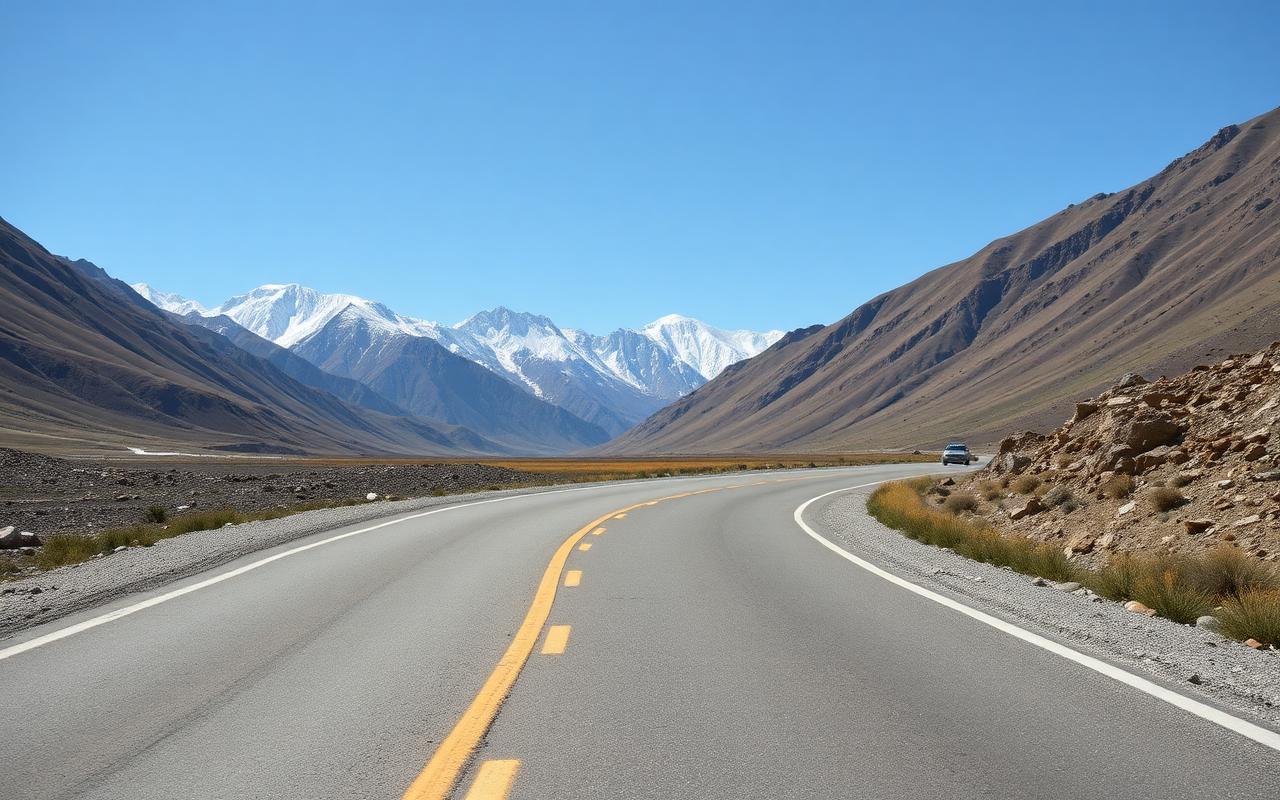
Yes. The KKH between Islamabad, Chilas, Gilgit, Hunza and Sost is heavily trafficked, has multiple police checkpoints, and is the spine of northern tourism. We drive in daylight only, with vetted drivers, and use 4×4 on the side spurs.
Q. Do I need a guide or can I travel independently?
You can travel independently on the main corridor (Islamabad-Hunza-Skardu) without a guide, many backpackers do. A guide adds significant ease (permits, NOCs, language, vehicle quality, time saved) and is effectively required for restricted zones like the Kalash valleys, Deosai and the K2 trek.
Q. What about terrorism?
Major militant activity in 2024-26 has been concentrated in the Afghan border belt of southern KP and parts of Balochistan, geographies not on tourist itineraries. The northern tourist corridor, Punjab, Islamabad and Sindh have not seen tourism-targeted incidents in years.
Written by
Bilal Hussain
Safety and logistics lead
Bilal runs ground logistics, permits, NOCs, drivers, contingencies. He writes about the practical and safety side of travel in Pakistan with the directness of someone who has to make it work.
Coordinates with district authorities across Gilgit-Baltistan and KP.
Trips that match this guide
10 days · 9 nights
Hunza & The Karakoram Highway
The classic Karakoram Highway run, Islamabad to Khunjerab Pass with proper time in Hunza, Gulmit and Passu beneath Rakaposhi and the Cathedral peaks.
8 days · 7 nights
Skardu, Shigar & Khaplu
Baltistan at its best, three nights in restored 17th-century fort palaces, the cold desert of Katpana, and a day on the Deosai plateau.
16 days · 15 nights
The Grand North
Our signature grand tour, the Heritage Triangle, then the full Karakoram Highway from Islamabad to the Chinese border, with Skardu, Hunza and the Khunjerab Pass.
More from Safety