June 2026 · 10 min · By Amna Sheikh
Solo Female Travel in Pakistan: An Honest Guide
Pakistan rewards solo female travellers who plan with care. Region by region, the realistic picture, what works, what doesn't, what to ask for.
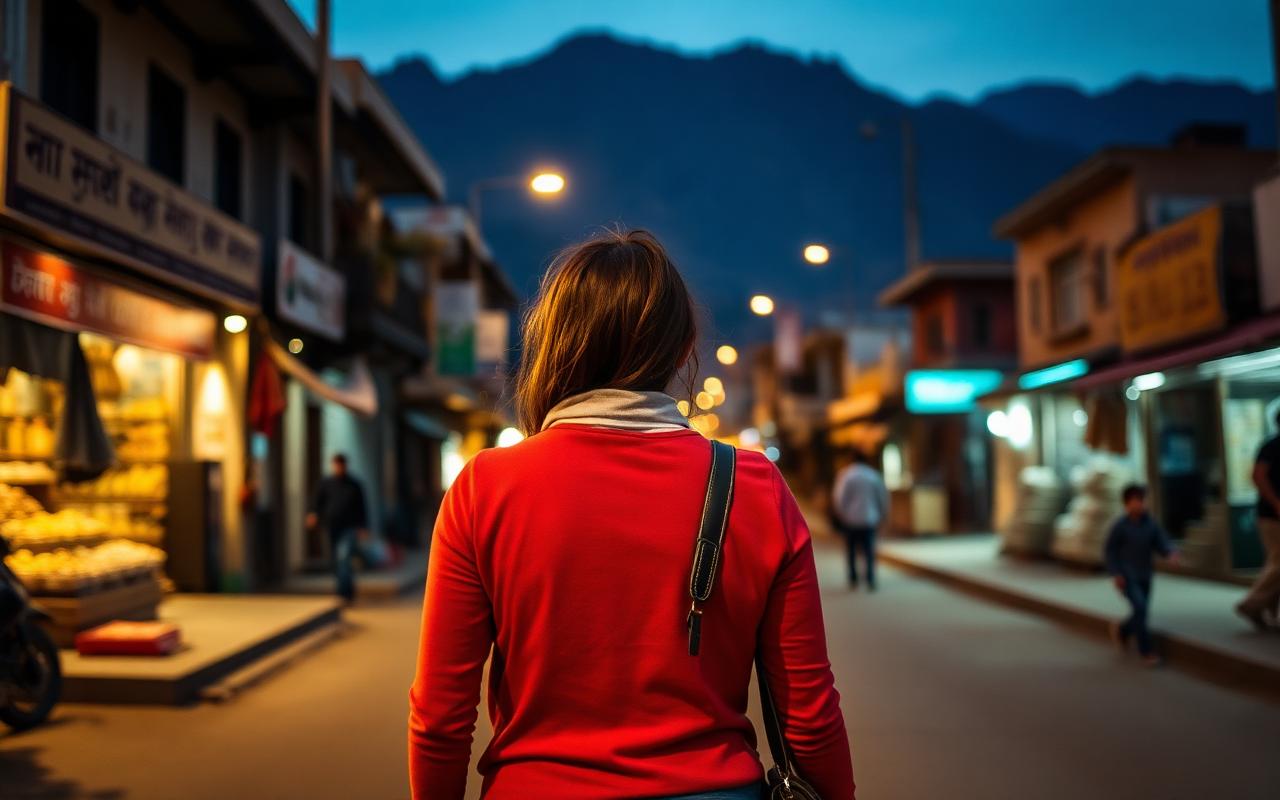
Solo female travel pakistan questions get asked carefully, and they should be. The honest answer is that Pakistan is one of the more rewarding countries in the region for women travelling alone, and one that asks for more thought up front than, say, Thailand or Portugal. The country splits sharply by region; what works in Hunza is different from what works in Karachi. This is the guide we send female clients booking solo.
The reality
Female travellers consistently rank Gilgit-Baltistan among the easiest places they've travelled in Asia. Cities require more thought, not because of physical danger, which is low, but because of staring, unwanted attention and an absence of female social space. Most solo women report the social pressure as the harder part of the trip, not the safety question. Both are real, and both are navigable.
Region by region
| Region | Solo female experience |
|---|---|
| Hunza, Gilgit-Baltistan | Easiest. Ismaili Muslim culture, high female literacy, women visibly present in public space. |
| Skardu and Baltistan | Easy. Shia, slightly more conservative dress but warm and unbothered with foreigners. |
| Kalash valleys (Chitral) | Easy. Non-Muslim, the only place in Pakistan women drink openly in public. |
| Islamabad | Easy. Modern, walkable parts, female restaurants and cafés, plenty of women in public. |
| Lahore | Manageable. Old city in the evening with a guide; modern Gulberg and DHA fine solo. |
| Karachi | Manageable. Use Careem after dark, stick to Clifton/DHA, avoid old city solo. |
| Peshawar and rural KP | Take a male guide or fixer. Female public presence is rare and the staring is intense. |
| Balochistan | Off-limits regardless of gender for tourism. |
Dress and presence
A loose salwar kameez bought in Lahore for USD 15-25 will outperform anything in your suitcase. Add a dupatta (long scarf) draped across the shoulders for cities and around the head for mosques and conservative areas. Sunglasses are useful, they short-circuit some of the staring. Confident, purposeful body language matters more than clothing; women who move like they know where they're going attract significantly less attention.
Moving around
- Careem and InDrive (rideshare), preferred in cities, day and night. Female drivers can be requested in Lahore and Islamabad.
- Domestic flights, completely fine solo. Women have their own queue and security check.
- Long-distance buses, possible but tiring; the front rows are generally allocated to women.
- Trains, book the air-conditioned business class with women-only cabins where available.
- Walking after dark, fine in Islamabad's diplomatic zone and Lahore's Gulberg. Take a car elsewhere.
Where to stay
Established hotels, registered guesthouses and homestays vetted by an operator. The Hunza and Skardu network of family-run guesthouses is excellent, many have female staff and the host family treats single women as honoured guests. Avoid unregistered Airbnbs in cities; the regulatory environment isn't there to back you up.
Daily interactions
- Selfie requests, universal, mostly harmless, exhausting after the tenth. A polite no is fine.
- Direct questions, about marriage, children, religion, are conversational, not predatory. A vague answer ('not yet, inshallah') closes the topic.
- Restaurants, many have a separate 'family section' for women and families. Use it; it's quieter and the service is faster.
- Shops, bargaining is fine; staying friendly is essential. Walking away in irritation backfires.
If something happens
Low-level staring and selfie requests are constant and not harassment. Anything beyond that, being followed, photographed without consent, touched, should be reported. Pakistani culture has a strong instinct to protect female guests; bystanders will intervene if you ask loudly. Police helpline 15. Tourist police in Hunza, Skardu, Lahore, Islamabad. Your operator (us) is on call 24/7, that is what we are for.
Q. Is Pakistan safe for solo female travellers?
Yes, with judgement. Gilgit-Baltistan is among the easiest places in Asia for solo women; major cities require the same thought a solo woman would apply in any large South Asian city. Violent crime against tourists is rare. The harder part is constant attention and the absence of female public space, not physical danger.
Q. Do I have to wear a headscarf?
Not in daily life. Yes for mosques and shrines. Many women carry a scarf in the bag for these moments. In conservative areas, rural KP, parts of Peshawar, a scarf is more comfortable; in Hunza and Islamabad it isn't needed at all.
Q. Can I eat alone in restaurants?
Yes. Many restaurants have a 'family section' where solo women and families sit separately from men dining alone. Use it. Cafés in Islamabad and Lahore are completely normal for solo women.
Q. Is it safe to use rideshare apps as a woman?
Yes, Careem and InDrive are the preferred way for women to move around cities. Both apps show driver photo, rating and licence plate; you can share the trip live with someone. Far safer than street taxis.
Q. Should I tell people I'm travelling alone?
Use judgement. With hotel staff and your guide, yes, they should know. With strangers in shops and on transport, 'meeting my husband at the hotel' is a useful and common piece of social fiction.
Written by
Amna Sheikh
Lahore and heritage lead
Amna grew up in Lahore and reads the city through its kitchens, courtyards and Mughal stones. She writes about southern Pakistan, food, and the cultural side of our trips.
Built our Lahore supper programme; works with the city's historians.
More from Safety