Pillar guide
June 2026 · 15 min · By Zain Karim
Hunza Valley: The Complete Travel Guide
When to come, where to base, what to do, and the villages that reward slow time, written by the people who guide here every season.
This hunza valley travel guide is the one we wish we had when we started running trips up the Karakoram in 2018. Hunza is the kind of place where one day stretches into a week without anyone noticing. The light is different, the air is thin, the apricots are the best you'll eat, and the people, Ismaili Muslims with a literacy rate above 95% and a famously gentle politics, make it the most welcoming corner of Pakistan. The valley is also bigger and more layered than the social-media version suggests. This guide is built to help you plan around the part of it that matches what you actually came for.
Where is Hunza?
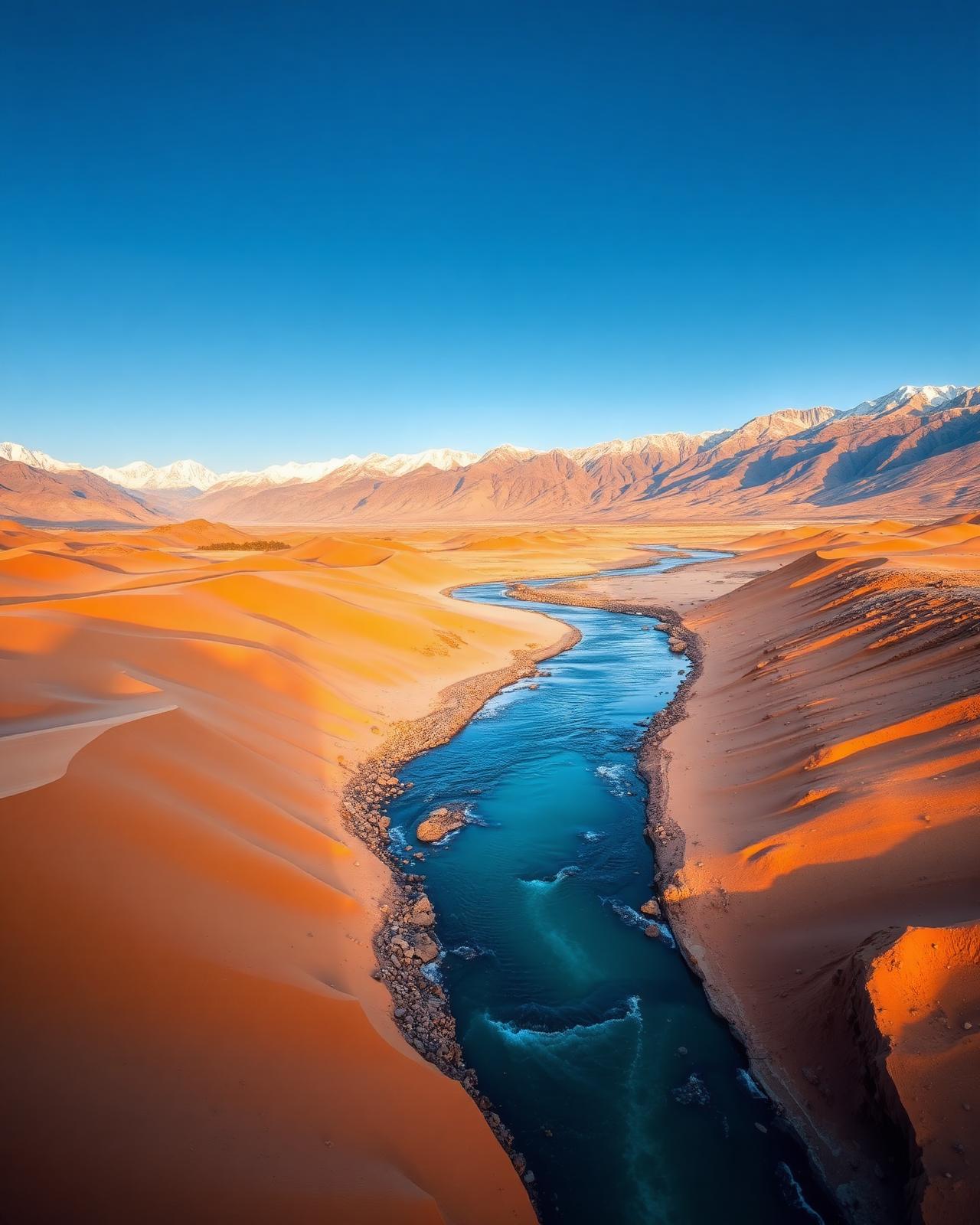
Hunza sits at roughly 2,500 m in northern Pakistan's Gilgit-Baltistan province, strung along the upper Hunza River between the Karakoram and the Hindu Kush. It runs roughly 100 km from Aliabad in the south to Sost on the Chinese border in the north. To the south are the Karakoram giants, Rakaposhi (7,788 m) dominates the skyline from Karimabad; to the north, the Khunjerab Pass crosses into Xinjiang at 4,733 m, the highest paved international border in the world.
The valley historically belonged to the princely state of Hunza, ruled by a dynasty of Mirs from Baltit Fort, until accession to Pakistan in 1974. The cultural footprint of that history, the forts, the irrigation channels, the social cohesion, is still everywhere.
When to visit Hunza
Hunza has four real seasons, and which one you choose changes the trip completely.
| Window | What it's for | What to expect |
|---|---|---|
| Late March to mid-April | Cherry blossom | Pink and white blossom in lower villages first, working up. Cool, crowds light. |
| Late April to May | Apricot blossom | Our favourite season. Valleys white with bloom, snow still on the peaks. |
| June to August | Peak summer | All passes open including Khunjerab. Hot in lower villages; ideal at altitude. Busy. |
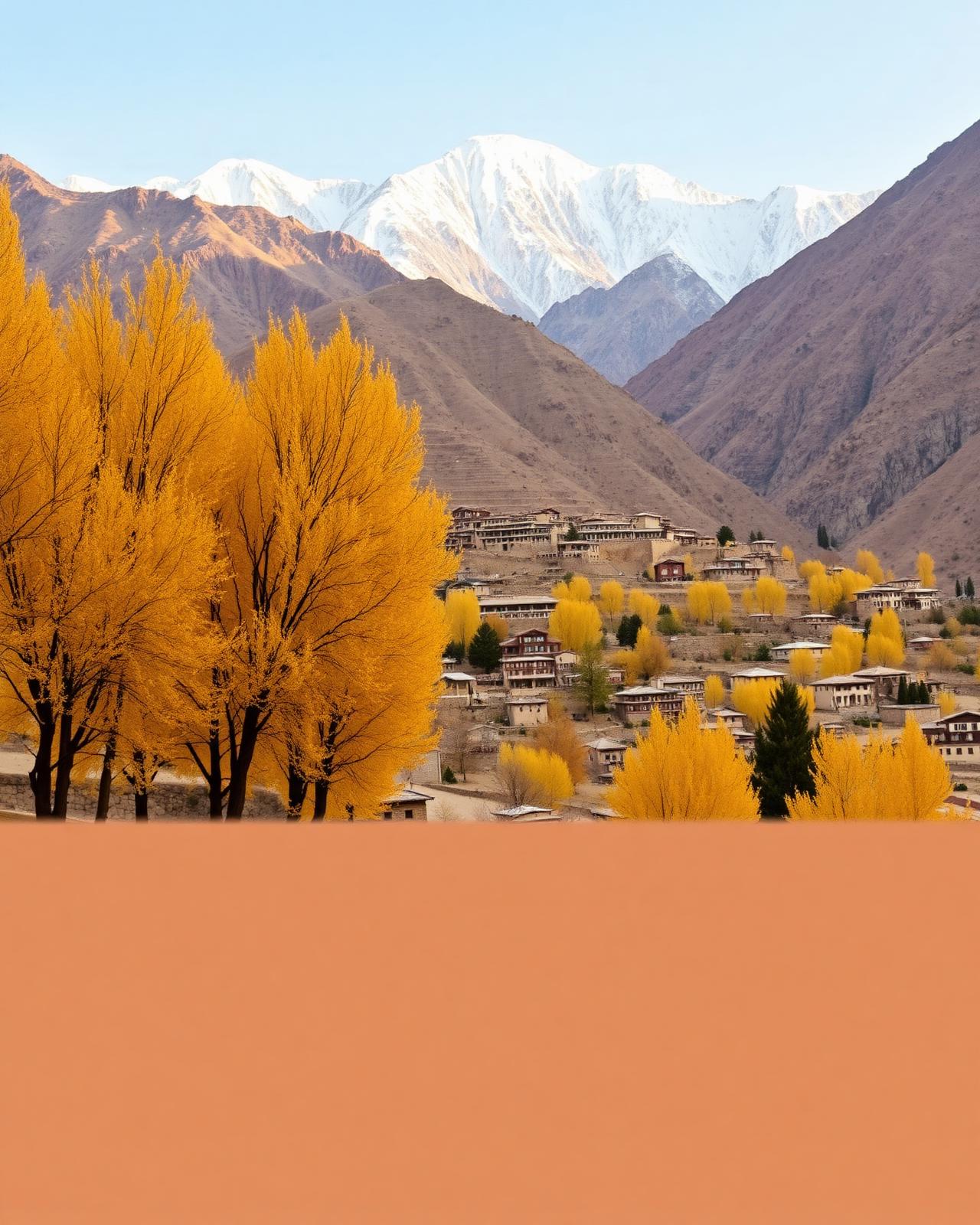
| September to October | Autumn | Poplar trees turn gold, then crimson. The valley becomes a painting. Light crowds. |
| November to February | Winter | Frozen Attabad Lake, snow everywhere, most guesthouses closed. Only for the determined. |
How long to spend in Hunza
- 3 nights: the bare minimum. Karimabad base + Khunjerab day-trip + Attabad/Borith. You'll wish you had longer.
- 5 nights: comfortable. Add Gulmit, Passu, Hopper glacier viewpoint, and time to do nothing.
- 7 nights: ideal. Add a Shimshal valley side trip, longer Hopper hike, supper in a village home.
- 10+ nights: for repeat visitors and writers, Khunjerab on a quiet day, Chapursan valley, the Wakhi villages near the Afghan border.
Getting to Hunza
By air (the fast option, when it flies)
PIA flies Islamabad → Gilgit daily, 45 minutes, $90-130. The flight is spectacular, Nanga Parbat, the Indus gorge, the descent into Gilgit between 7,000-m peaks, when it operates. Roughly half of all winter flights cancel due to weather; in summer the cancellation rate drops below 20%. From Gilgit it's a 2.5-hour drive to Karimabad.
By road (the better option, in our view)
The Karakoram Highway from Islamabad to Karimabad is 600 km and takes two days driven sanely. Day 1: Islamabad → Chilas (8-9 hours via the Babusar Pass in summer, or via the Indus gorge year-round). Day 2: Chilas → Karimabad (5-6 hours, with the Nanga Parbat viewpoint at Raikot Bridge). The road is the experience, narrow gorge, glacial side streams, the moment the Karakoram first opens out. Don't fly back if you flew in; do the road one way.
The villages that matter
Karimabad
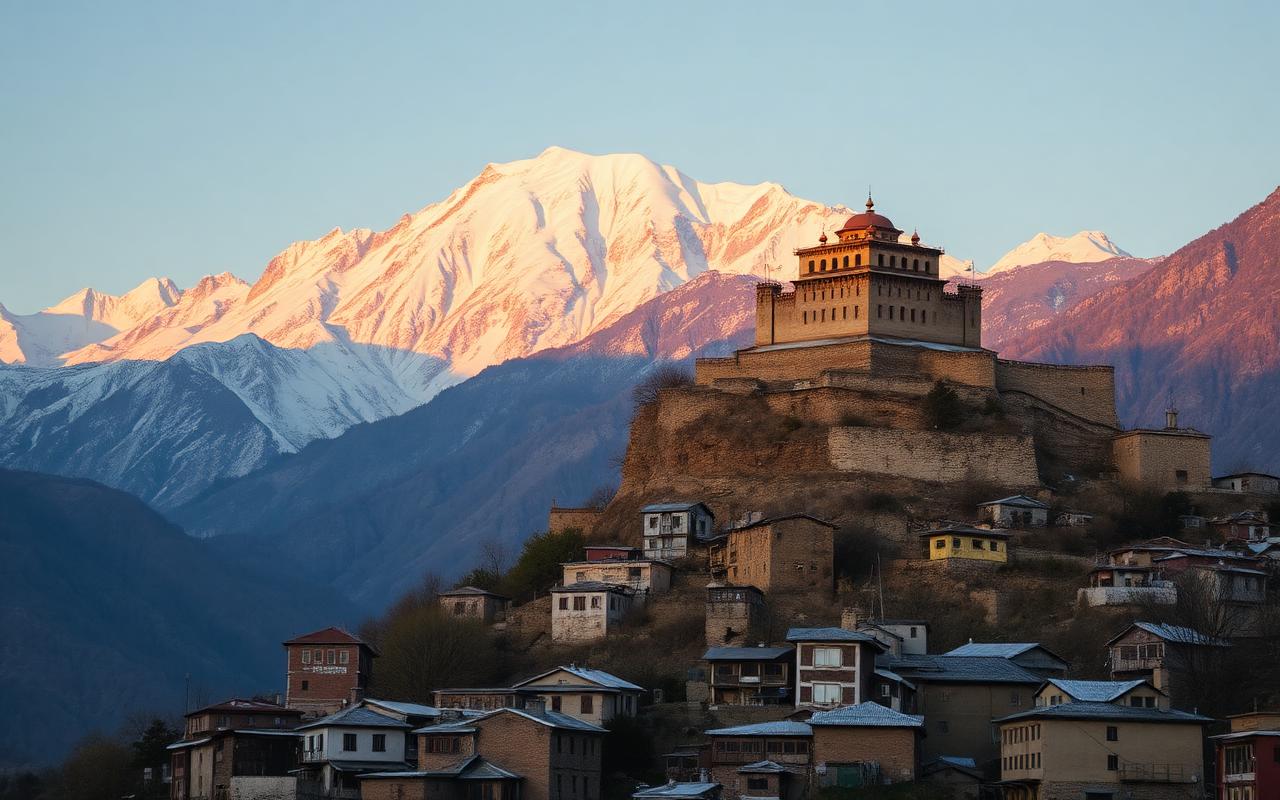
The de-facto capital and where most travellers base. Home to Baltit Fort (700 years old, restored by the Aga Khan Trust for Culture), a walkable bazaar, the best concentration of cafés and guesthouses, and the classic Rakaposhi-sunset viewpoint at Eagle's Nest. 2 nights minimum here.
Altit
20 minutes down the hill from Karimabad. Altit Fort is older than Baltit (1,100 years), set above terraced orchards. The village around it is the oldest continuously inhabited settlement in Hunza. Walk down to the Royal Garden café for lunch.
Gulmit & Passu
An hour upriver from Karimabad, past Attabad Lake. Gulmit is the cultural centre of Gojal (upper Hunza), with a Wakhi-speaking community, an embroidery cooperative worth visiting, and quieter, more agricultural rhythms than Karimabad. Passu, 15 minutes further, sits beneath the saw-toothed Passu Cathedral peaks, the silhouette on every Pakistan postcard.
Hopper
South of Karimabad, up a separate side valley, in the Nagar district. The viewpoint over the Hopper and Bualtar glaciers is one of the great free walks of Hunza, 40 minutes from the jeep park to a lip that looks straight down onto two glaciers meeting. Half-day trip from Karimabad.
Shimshal & Chapursan
For repeat visitors. Shimshal is a Wakhi village at 3,100 m, six hours up a side jeep track that wasn't built until 2003, historically a five-day walk. Chapursan is even further, near the Afghan-Wakhan border, with summer pastures used by Wakhi herders. Both require 4×4, both reward the effort.
What to do in Hunza
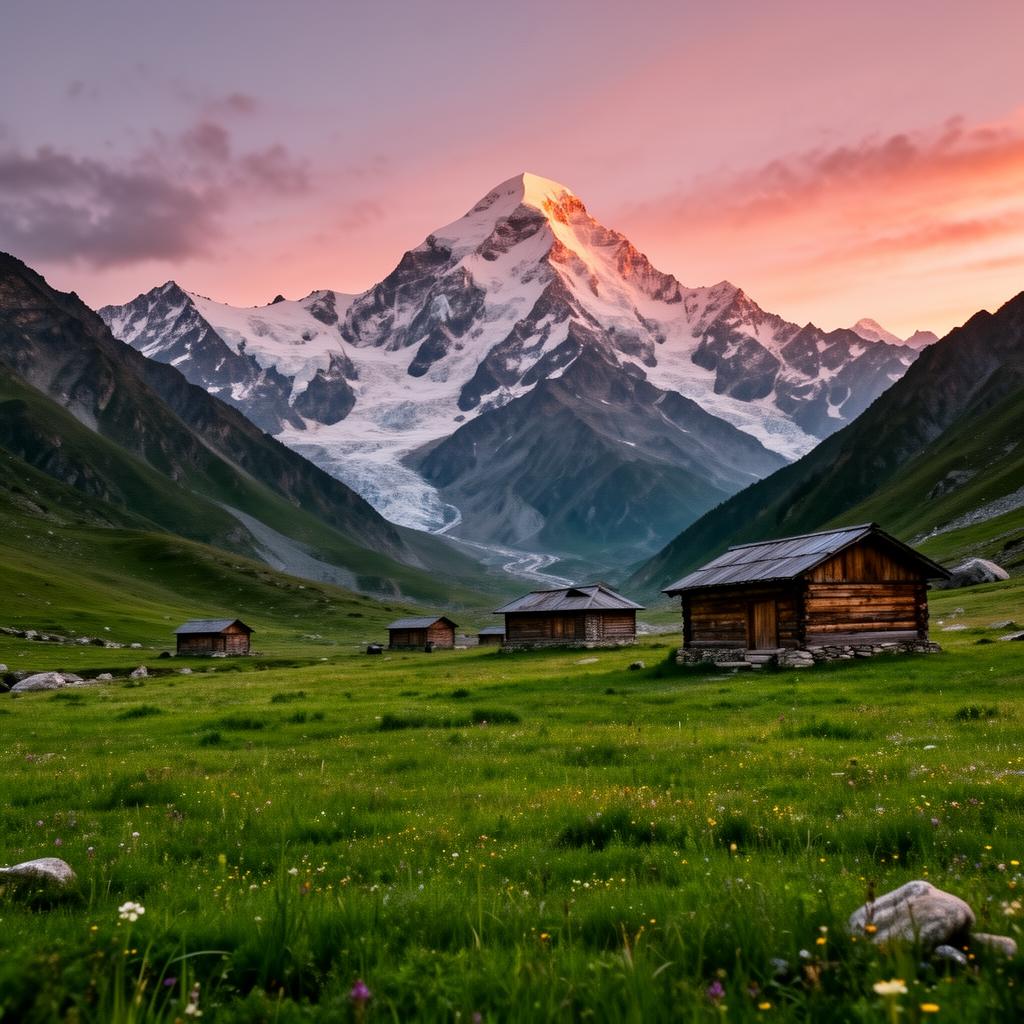
- Climb to Eagle's Nest at dawn for Rakaposhi turning gold (the cliché is true).
- Visit Baltit and Altit forts back-to-back, 700 and 1,100 years of valley history in one morning.
- Boat across Attabad Lake, the otherworldly blue made famous after the 2010 landslide.
- Day-trip to Khunjerab Pass (4,733 m) and the Chinese frontier, open May to November.
- Walk to the Hopper glacier viewpoint, or for the fit, on to the foot of the ice.
- Try the Hussaini suspension bridge over the Hunza River, if your nerves allow.
- Eat slowly in a Wakhi or Burusho family home, we arrange these.
- Coffee on a roof somewhere with Ladyfinger peak in view; do nothing for an afternoon.
Where to stay in Hunza
Hunza's accommodation has improved markedly since 2020. Three useful brackets:
| Bracket | Per night (USD) | Recommendation |
|---|---|---|
| Premium heritage | $180-280 | Serena Altit Fort Residence; Roomy Daastan in Karimabad |
| Boutique mid | $80-150 | Luxus Hunza; Old Hunza Inn; PTDC Karimabad (renovated) |
| Independent / guesthouse | $25-60 | Eagle's Nest; Hunza Embassy; the family-run guesthouses in Aliabad |
What to eat in Hunza
Hunzai cuisine is its own thing, distinct from both lowland Pakistani and Balti food. It is mountain food: heavy on apricots (fresh, dried, oil-pressed), buckwheat, walnuts, hand-pulled noodles, and slow-stewed mutton. The dishes to find: chapshuro (a baked meat pie), giyaling (buckwheat pancakes), mol-pa-pa (apricot-and-walnut breakfast paste), and any Hunzai supper that includes apricot oil.
Practical notes
- Cash: Karimabad has 3 ATMs (intermittent). Bring enough rupees for a week.
- Connectivity: SCO and Zong cover Karimabad-Gulmit well; patchy beyond.
- Altitude: Karimabad is 2,500 m. Khunjerab Pass is 4,733 m. Don't sleep above 3,000 m on your first night up.
- Permits: Khunjerab requires a foreign-tourist NOC (we handle); Chapursan and Shimshal don't.
- Power: 12-18 hour daily power in summer; under 10 hours in winter. Bring a power bank.
- Language: Burushaski (lower Hunza), Wakhi (Gojal), Urdu and English widely spoken in tourism.
Sample itineraries that work
3 nights, Hunza highlights
Day 1: Arrive Gilgit, drive to Karimabad. Sunset at Eagle's Nest. Day 2: Baltit + Altit Forts, lunch in Altit, Hopper glacier viewpoint. Day 3: Attabad Lake + Passu Cathedral views + Hussaini Bridge. Day 4: Khunjerab Pass day-trip, return to Gilgit.
5 nights, Hunza properly
Add a Gulmit overnight to slow down upper Hunza, and a full Hopper day with a longer walk. This is the version we run most often.
7 nights, Hunza for slow travellers
Add Shimshal (overnight in the village) and one full do-nothing day on a roof in Karimabad. The trip people remember years later.
FAQs
Q. Is Hunza Valley worth visiting?
Yes, Hunza is the most visually striking, culturally welcoming and travel-ready region in Pakistan. If you are coming to Pakistan for the mountains at all, Hunza is the headline reason. Three nights minimum; five or more is better.
Q. What is the best time to visit Hunza Valley?
Two windows: late April to May (apricot blossom, light crowds, snow still on the peaks), and the second half of October (autumn colour, clear weather, last week before the cold sets in). Summer is busier; winter is closed for most travellers.
Q. How do I get to Hunza Valley?
Fly Islamabad to Gilgit (45 min) and drive 2.5 hours to Karimabad, or drive the full Karakoram Highway in two days from Islamabad via Chilas. We recommend road one way, air the other, the KKH is part of the experience.
Q. How many days should I spend in Hunza?
Five nights is the sweet spot. Three is the bare minimum to see Karimabad, Khunjerab and Attabad without rushing; seven lets you add Shimshal or Chapursan and a do-nothing day, which Hunza repays generously.
Q. Is Hunza Valley safe?
Yes. Hunza is among the safest parts of Pakistan and has been for over a decade, low petty crime, almost no violent crime against tourists, and a deeply hospitable Ismaili Muslim community. The real risks are mountain weather and altitude, not security.
Q. What language do they speak in Hunza?
Burushaski is the main language in lower Hunza (a language isolate, unrelated to any other), Wakhi in upper Hunza (Gojal), and Shina around Gilgit. Urdu is the national link language and English is widely spoken in tourism contexts.
Written by
Zain Karim
Head of mountain operations
Zain has run private trips through Hunza, Skardu and the Karakoram since 2019. He spends about 120 nights a year above 2,500 m and writes about the routes he guides.
Has guided the Hunza-Skardu loop more than forty times.
Trips that match this guide
10 days · 9 nights
Hunza & The Karakoram Highway
The classic Karakoram Highway run, Islamabad to Khunjerab Pass with proper time in Hunza, Gulmit and Passu beneath Rakaposhi and the Cathedral peaks.
16 days · 15 nights
The Grand North
Our signature grand tour, the Heritage Triangle, then the full Karakoram Highway from Islamabad to the Chinese border, with Skardu, Hunza and the Khunjerab Pass.
6 days · 5 nights
Hunza Honeymoon
A slow, private honeymoon in Hunza, sunrise on Rakaposhi from your room, a candlelit dinner at Altit Fort and a private boat on Attabad Lake.
More from Destinations