Pillar guide
June 2026 · 16 min · By Shore to Peaks Studio
The Complete Guide to Travelling in Pakistan (2026)
Visas, costs, when to go, where to go, what to pack, and how to actually book it, written by people who run trips here every week.
Pakistan is the most rewarding country we know to travel slowly. This pakistan travel guide is the one we wish existed when we started running trips here in 2018, written from inside the country, updated for 2026, and built to answer the practical questions before the romantic ones. We've kept the prose short and the specifics dense: real road timings, real costs in dollars and rupees, real altitudes, and the months things actually open and close.
It covers the whole country at a useful altitude, enough to plan with, with links out to the deeper guides for each region, season and trip type. If you only have ten minutes, scroll to the section that matches the decision you're about to make.
Is Pakistan a place you can travel?
Yes, with the same routine due diligence you would apply anywhere outside western Europe. The tourist corridor, Islamabad, Lahore, Hunza, Skardu, Fairy Meadows, the Kalash valleys, Swat, is open, well-trafficked by both Pakistani and foreign travellers, and has been since the security situation stabilised after 2015. Government foreign-travel advice still flags border zones and parts of southern Khyber Pakhtunkhwa and Balochistan; the routes most people come for don't go there.
We've written a separate, region-by-region honest answer in our safety pillar: read it before you book. The short version is that the obstacles to a Pakistan trip in 2026 are logistical, not security-driven, weather, road conditions, altitude, permits, and they are solvable.
When to go: a month-by-month overview
Pakistan is two countries climatically. The northern mountains, Hunza, Skardu, Fairy Meadows, Deosai, have a short summer window. The lowlands, Lahore, Islamabad, the Punjab, Sindh, are unbearable in summer and ideal in winter. Most trips do both, which means a season has to compromise.
| Month | North (Hunza, Skardu) | South (Lahore, Sindh) |
|---|---|---|
| Jan-Feb | Closed by snow above 2,500 m; KKH passable | Cool, dry, best for Lahore |
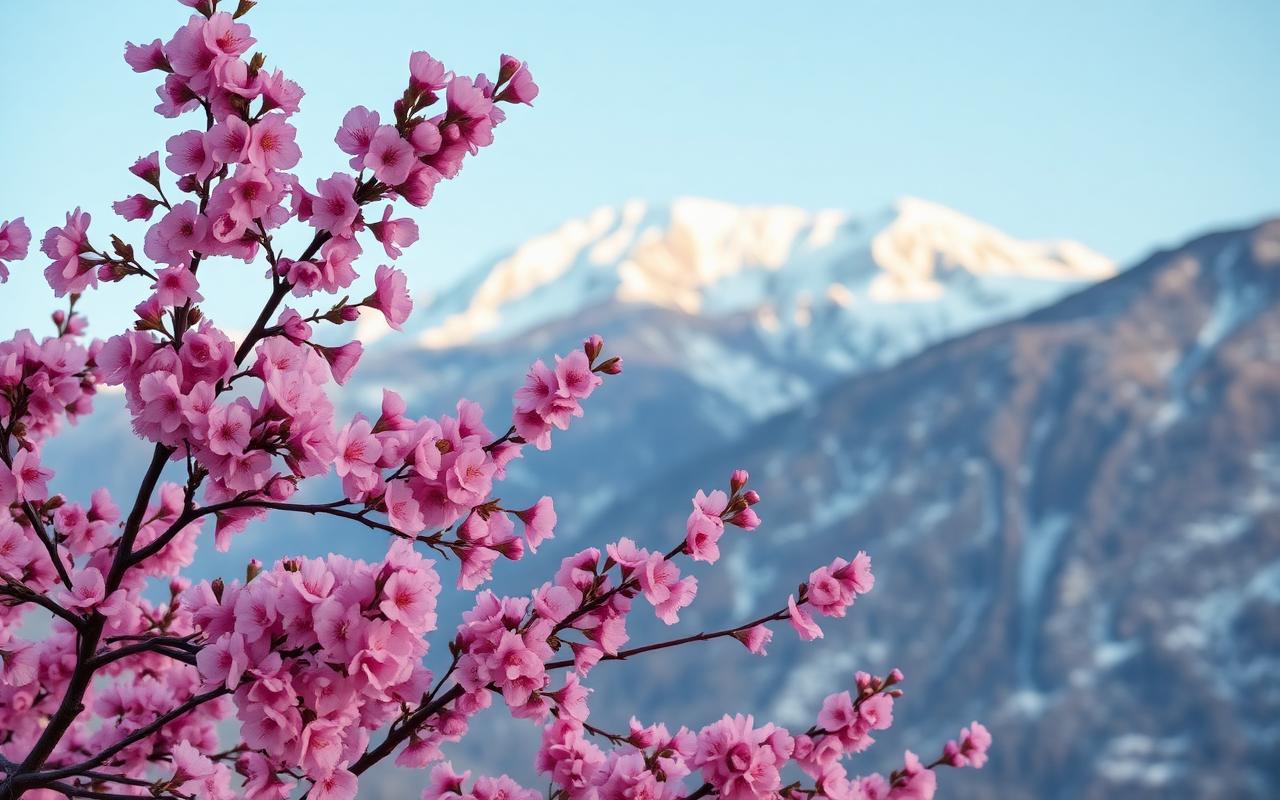
| March | Cherry blossoms in lower Hunza, late month | Pleasant, warming |
| April | Apricot blossom, valleys waking up | Last comfortable month |
| May | Open, green, light crowds, our favourite | Hot, dry |
| Jun-Aug | Peak season; Deosai, K2 base camp accessible | Monsoon; avoid |
| September | Calm, golden light, low crowds | Hot still |
| October | Autumn colour in Hunza, extraordinary | Cooling |
| November | Last window before snow closes high passes | Comfortable again |
| December | Winter trips only; Hunza by air | Crisp, beautiful in Lahore |
We've written a full month-by-month breakdown, including which festivals fall when, when the cherry blossoms actually peak in Hunza (it varies by 200 m of altitude), and when to book if you're chasing autumn colour.
How long to give Pakistan
A useful minimum for the north is seven days on the ground, plus your flight days. That gives you Hunza properly, with a side trip to Khunjerab and Attabad, but not Skardu. Ten days lets you add Skardu and the Deosai plateau via the Astore route. Two weeks is the sweet spot, it lets you slow down, add Lahore and Islamabad, and not feel rushed at altitude.
- 5-6 days: Hunza only, fly in to Gilgit. Tight but real.
- 7-8 days: Hunza plus the Karakoram Highway by road from Islamabad.
- 10 days: Hunza + Skardu loop, the classic.
- 12-14 days: Add Fairy Meadows, or Lahore, or both.
- 16-21 days: K2 base camp trekking trips; coast-to-Karakoram.
What a trip to Pakistan actually costs in 2026
Pakistan is still cheaper than most travel destinations its scale deserves, but the days of $40-a-day backpacking are gone in the north. As of 2026, a private, well-organised trip, driver, vehicle, hand-picked guesthouses and hotels, all permits, sits in the following bands per person, per day, twin-sharing, excluding international flights:
| Style | Per person / day (USD) | What's included |
|---|---|---|
| Comfortable independent | $70-110 | 3-star equivalent, shared driver, basic guiding |
| Private, mid-range | $140-220 | Boutique stays, private 4×4, English-speaking guide |
| Premium private | $280-450 | Best heritage stays available, full ground team |
| Trekking (K2, etc.) | $200-350 | Porters, cook, permits, full expedition support |
International flights from Europe run $750-1,300 return depending on season; from North America $1,100-1,800. Domestic Islamabad → Gilgit or Skardu flights are $90-140 one-way when they fly (they're weather-dependent, always plan a road buffer).
We've written a full cost breakdown, what you actually spend a day on, where premium pricing buys real upgrades, and where it doesn't.
Getting a Pakistan tourist visa
Most western, Gulf, Southeast Asian and East Asian passport holders are eligible for the Pakistan e-Visa, applied for online at visa.nadra.gov.pk. The standard tourist visa is a single-entry, three-month visa with a 30-day stay. The process is straightforward but slow, allow three to six weeks from application to issue. We provide a Letter of Invitation (LOI) for every confirmed booking; it shortens approval times and is required for some nationalities.
- Apply at visa.nadra.gov.pk, not third-party sites.
- Standard fee is $35-60 depending on nationality.
- Citizens of 50+ countries qualify for a visa-on-arrival pilot at Islamabad airport, but we don't recommend relying on it.
- Indian passport holders have a separate, restricted process, write to us directly.
Getting in and getting around
Almost every trip starts at Islamabad International (ISB) or Lahore (LHE). Direct connections from London, Istanbul, Dubai, Doha, Jeddah, Kuala Lumpur and Beijing; one-stop from most other capitals. Inside the country you have three real options:
- Domestic flights, Islamabad to Gilgit (45 min) or Skardu (1 hr) when weather allows. Beautiful, fast, but unreliable: roughly half of winter flights cancel.
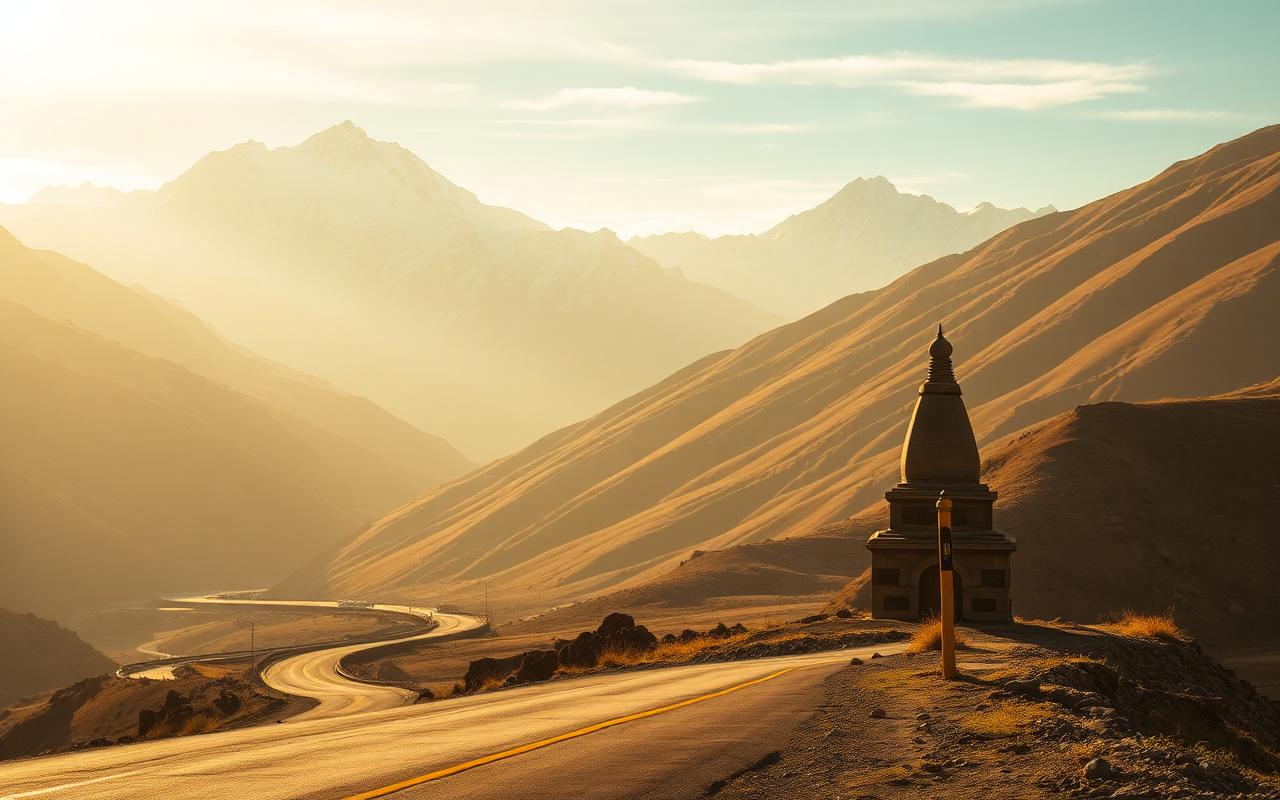
- Karakoram Highway by 4×4, 14 hours Islamabad to Hunza in two days. The road is the experience: glacial valleys, Nanga Parbat viewpoint, Chilas, the Indus gorge. This is what we usually recommend.
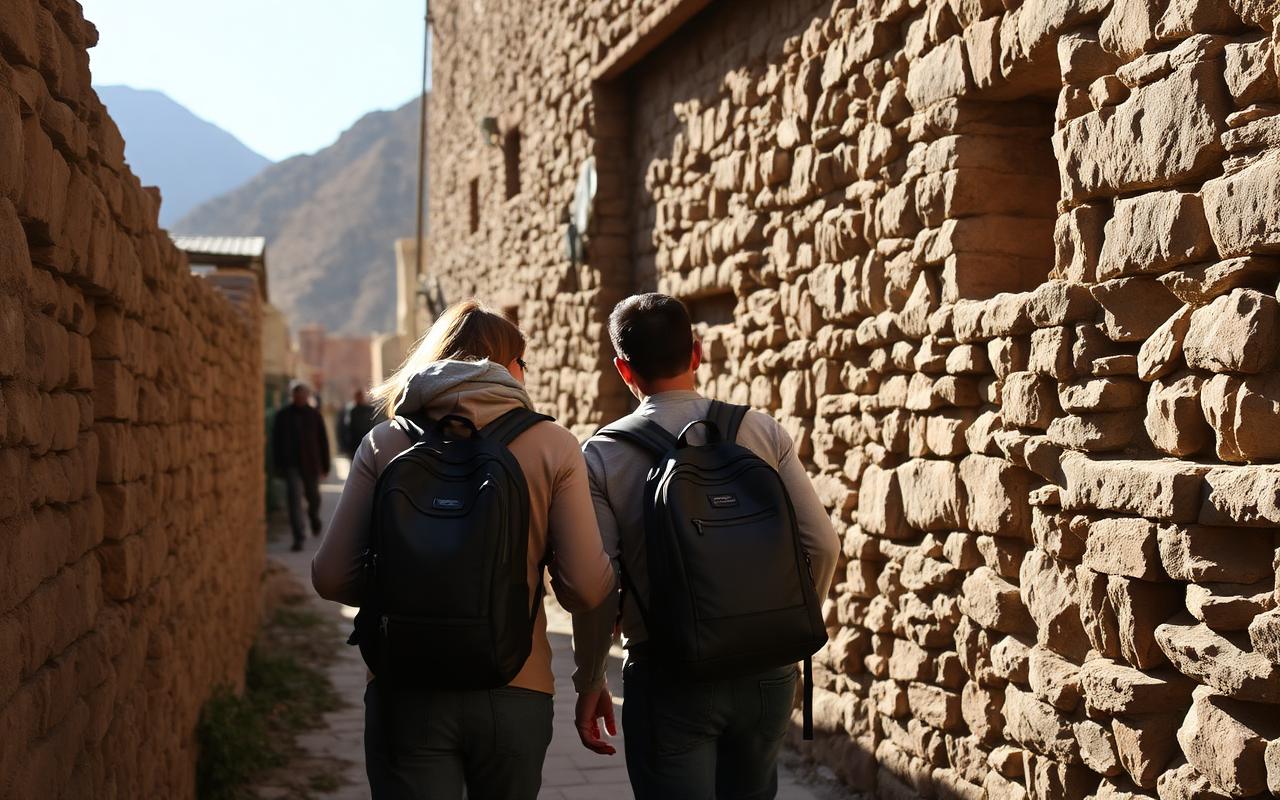
- Private car within regions, the only practical way around Hunza, Skardu, Fairy Meadows and the Kalash valleys. Public transport exists but is slow and uncomfortable for distances.
The regions, briefly
Hunza & the Karakoram
The Hunza valley is the country's headline draw, a series of villages strung along the upper Indus and Hunza rivers under Rakaposhi (7,788 m) and the Karakoram peaks. Three core stops: Karimabad (forts, sunset over Rakaposhi), Gulmit (Attabad Lake, the Borith villages), and Sost on the way to Khunjerab Pass. Three to four nights minimum; we routinely write seven-day Hunza-only itineraries for slow travellers.
Skardu & Baltistan
South of Hunza, across the Deosai plateau, sits Baltistan, culturally closer to Ladakh than to lowland Pakistan. Skardu is the gateway, with side trips to Shigar (700-year-old fort-palace, now a Serena heritage hotel), Khaplu (similarly), Shangrila and the desert lakes. The trailhead for K2 base camp.
Fairy Meadows & Nanga Parbat
An alpine meadow at the foot of Nanga Parbat (8,126 m), the world's ninth-highest mountain. The drive in is famously hair-raising, a 12 km jeep track followed by a one-hour uphill walk, but the meadow itself is the closest you'll get to a Himalayan giant on foot in a single day. Two nights minimum.
The Kalash valleys
Three small valleys in lower Chitral, home to the Kalash, Pakistan's only non-Muslim indigenous community, with their own animist religion, language and dress. Visit respectfully, ideally around one of the three annual festivals (Chilam Joshi in May, Uchau in August, Chaumos in December). Requires a 4×4 and a guide who knows the families.
Lahore & the Punjab
The cultural capital. Mughal Lahore, the Fort, Badshahi Mosque, the Shalimar Gardens, sits inside a city that is also the country's food, art and music heart. We recommend a minimum of three nights to do it properly: one for the Walled City on foot, one for the Mughal sites, and one for the kitchens and Sufi music nights.
Sindh & the south
Karachi, the Indus delta, Mohenjo-daro (4,500-year-old Indus Valley city), the Sufi shrines of Sehwan and Bhit Shah. Best in winter (December-February). A different trip from the north, and a deserved one, but plan it as a separate visit.
What to pack
Pakistan's vertical range, sea level to 8,000 m peaks, means most trips need both summer and winter layers. Our short version: bring layers, modest cuts, broken-in walking shoes, and accept that you can buy almost anything in Islamabad or Gilgit if you forget it.
- Light, long-sleeve layers (sun protection at altitude is no joke).
- A warm mid-layer and a windproof shell even in summer, Khunjerab Pass is 4,733 m.
- Modest clothing for cities and shrines: trousers for men, loose long-sleeve top + scarf for women.
- A power bank, northern power is patchy.
- A reusable water bottle with a filter (Grayl or Lifestraw).
- Cash in USD or EUR, for backup, not daily use.
Money, SIMs and connectivity
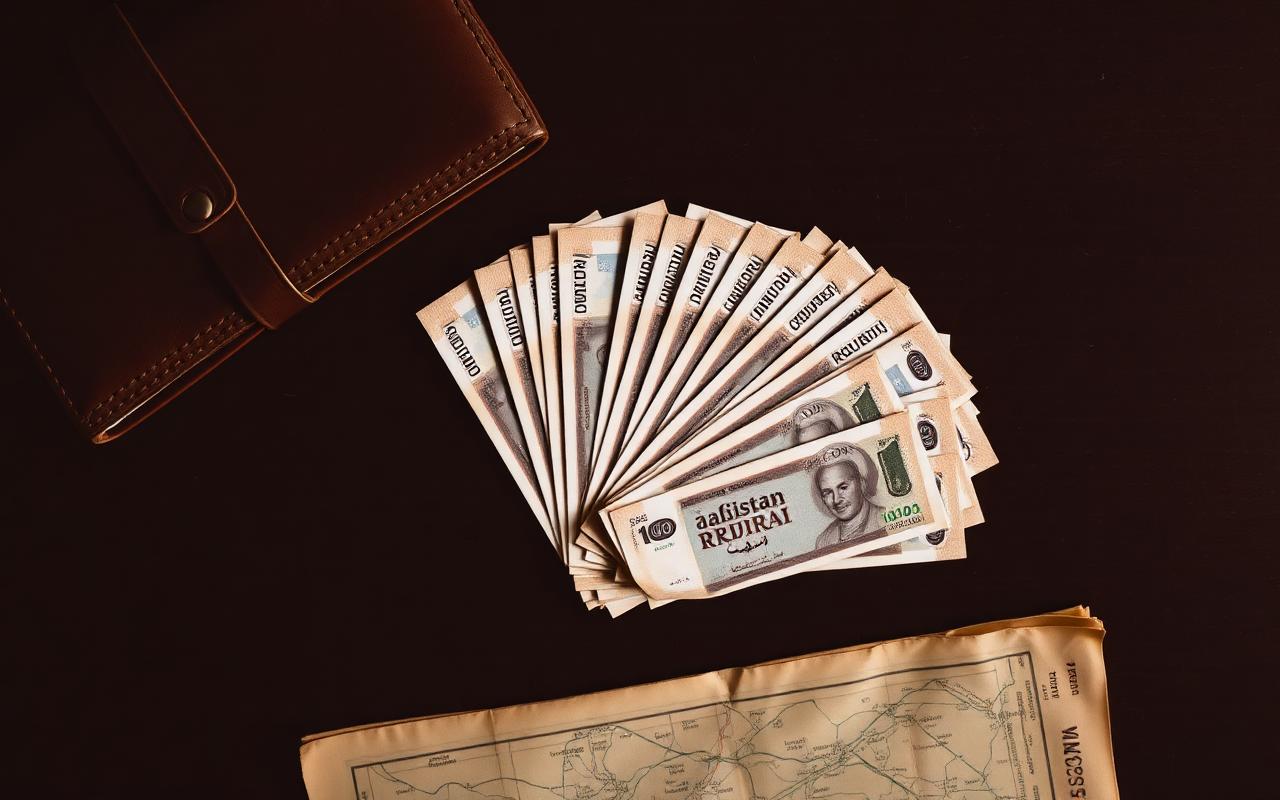
Pakistani rupees are mandatory for almost every transaction. ATMs work in Islamabad, Lahore, Karachi, Gilgit and Skardu but are patchy in Hunza valleys and unreliable everywhere on weekends. Bring USD or EUR cash to change as backup, and carry enough rupees for two to three days when leaving cities.
For data, buy a Zong or Jazz tourist SIM at Islamabad airport on arrival, both require passport biometrics, take 20 minutes, cost roughly $8 for 30 GB / 30 days. Coverage is strong on the KKH up to Sost; spotty in side valleys; absent above 3,500 m and in the deep trekking zones.
Eating in Pakistan
Pakistani food deserves its own essay (we wrote one). The headline: it is one of the world's great cuisines, regionally distinct (Punjabi, Pashtun, Sindhi, Hunzai, Balti) and almost always cooked well. In the north expect apricot oil, mulberries, walnut chutneys, ghee-rich Balti rice dishes; in the south the Mughal repertoire, biryanis, nihari, haleem, koftas, deep tandoor breads.
Cultural etiquette, briefly
- Dress modestly, covered shoulders and knees minimum; women carry a scarf for shrines and mosques.
- Ask before photographing people; never women without invitation.
- Right hand for eating, accepting things, greeting.
- Take shoes off at home, at mosques, at shrines. Always.
- Friday afternoons (12.30-2.30) are prayer time, plan accordingly.
- Alcohol is not publicly available; non-Muslim foreigners can drink in international hotels in Islamabad with a permit. Best to skip.
How to actually book a trip
You have three routes:
- Fully independent, book your own flights, hotels, drivers. Possible, but the time you spend on logistics (especially permits for restricted areas like Khunjerab, Deosai, K2) usually outweighs the savings.
- International group tour, easiest entry point, fixed dates, fixed group, fixed pace. Good for first-timers travelling solo. Trade-off: you see Pakistan through a bus window.
- Private trip with a local operator, bespoke itinerary, your pace, your interests. What we do. Costs 10-20% more than a group tour and removes the friction entirely.
If you'd like us to design a trip around what you actually want to see, the planning conversation is below, no template form, no obligations.
Frequently asked questions
Q. Is Pakistan safe to travel in 2026?
Yes, on the established tourist corridor (Islamabad, Lahore, Hunza, Skardu, Fairy Meadows, the Kalash valleys, Swat). Border zones, southern KP and parts of Balochistan remain off-limits and we don't go there. Our safety pillar covers it region by region with the current 2026 picture.
Q. Do I need a visa for Pakistan?
Almost everyone does. Apply online at visa.nadra.gov.pk for the e-Visa, 3-6 weeks to issue, $35-60 fee, single-entry, 30-day stay. We provide the Letter of Invitation, which speeds the process and is required for some nationalities.
Q. When is the best time to visit northern Pakistan?
Late April through October. Our two favourite windows are early May (apricot blossom, light crowds) and late September to mid-October (autumn colour in Hunza, perfect light). Winter is for Lahore and the south.
Q. How much does a trip to Pakistan cost?
A well-organised private trip in 2026 sits at $140-220 per person per day at the mid-range, $280-450 at the premium end, twin-sharing, excluding international flights. Independent budget travel can be done for $70-110 per day but takes much more of your own time.
Q. Can women travel in Pakistan?
Yes, including solo, including foreign, including without male escort. The reality is closer to neutral than the headlines suggest. We've written a separate, detailed guide for female travellers; the short answer is dress modestly, stick to well-trafficked regions, and read it before you book.
Q. How many days do you need in Pakistan?
Seven nights minimum for the north alone; ten for the classic Hunza-Skardu loop; two weeks is the sweet spot if you can manage it. Anything under five days isn't worth the flights.
Written by
Shore to Peaks Studio
The studio
We design private journeys through Pakistan from our studios in Lahore and Hunza. The studio voice means the piece was written collectively by the team that runs the trip on the ground.
Operating in Pakistan since 2018.
Trips that match this guide
10 days · 9 nights
Hunza & The Karakoram Highway
The classic Karakoram Highway run, Islamabad to Khunjerab Pass with proper time in Hunza, Gulmit and Passu beneath Rakaposhi and the Cathedral peaks.
16 days · 15 nights
The Grand North
Our signature grand tour, the Heritage Triangle, then the full Karakoram Highway from Islamabad to the Chinese border, with Skardu, Hunza and the Khunjerab Pass.
8 days · 7 nights
Skardu, Shigar & Khaplu
Baltistan at its best, three nights in restored 17th-century fort palaces, the cold desert of Katpana, and a day on the Deosai plateau.
More from Planning & Logistics