June 2026 · 9 min · By Bilal Hussain
Is Gilgit-Baltistan Safe? The Picture in 2026
Gilgit-Baltistan is the safest region of Pakistan for travellers. Here is the honest, regional, current picture.
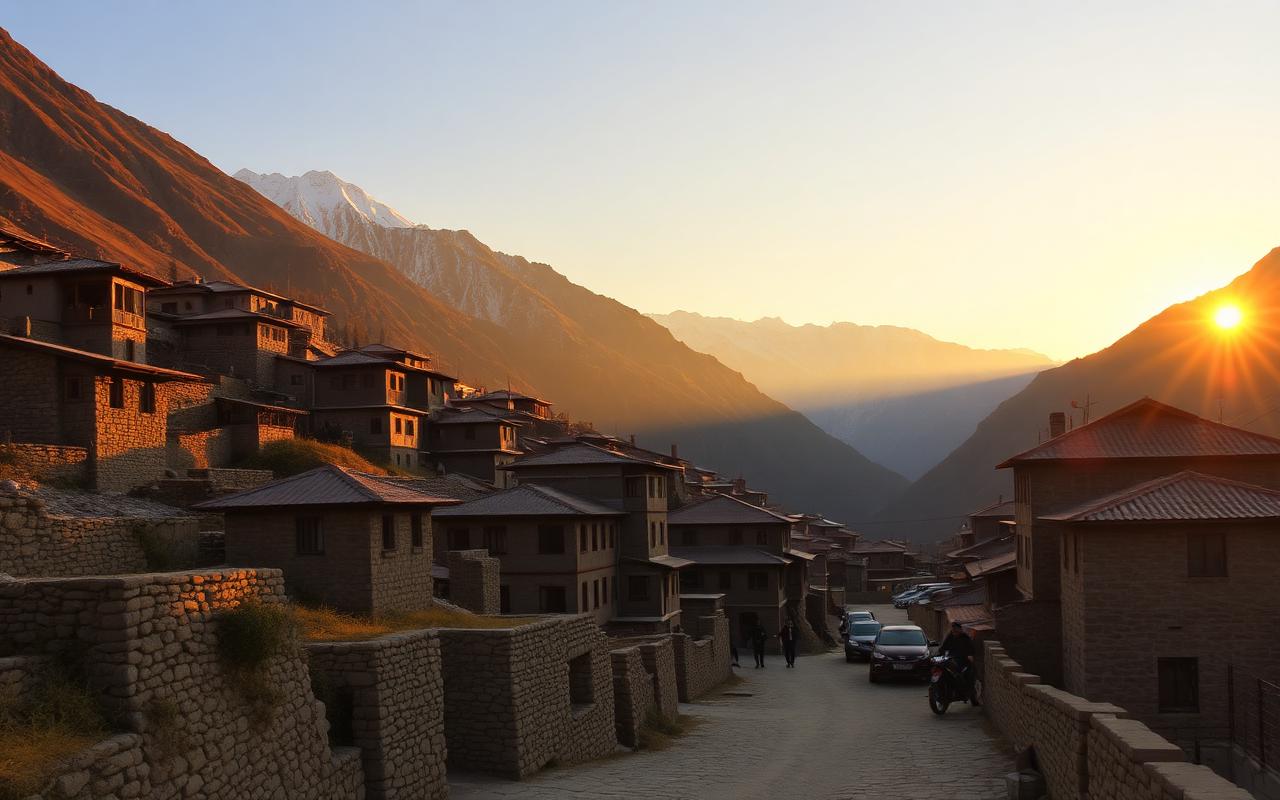
If you are asking is gilgit baltistan safe, the short answer is: yes, comfortably the safest region of Pakistan for travellers and one of the safest mountain regions in South Asia. The risks here are mountain risks, altitude, weather, road conditions, not security risks. The longer answer is more interesting.
The headline
Gilgit-Baltistan (GB) is an autonomous administrative territory of Pakistan, home to roughly 1.5 million people across Hunza, Nagar, Skardu, Ghizer, Astore and a dozen smaller districts. There has been no terror incident targeting foreign tourists in GB in over a decade. The 2013 Nanga Parbat base camp attack, the most cited security event, is the exception, not the pattern, and the security architecture around tourist areas has been significantly rebuilt since. Foreign travel volume into GB has roughly tripled since 2018.
Where we run trips
- Hunza (Karimabad, Gulmit, Passu, Sost, Chapursan), fully open, no restrictions on movement.
- Nagar (Hopper, Minapin), fully open.
- Skardu, Shigar, Khaplu valley, open. Some upper Hushe and Askole-direction sections need NOC.
- Astore, Rama and Deosai, open seasonally; Astore politically calm.
- Ghizer (Phander, Yasin), fully open, lightly visited.
- Khunjerab Pass, open in season; foreign passport NOC required.
Sectarian context
GB is religiously mixed in a way that matters historically more than practically. Hunza is majority Ismaili (a Shia subsect with progressive social norms). Skardu and Baltistan are majority Twelver Shia. Nagar is Shia. Gilgit town is Shia-Sunni mixed and has been the site of periodic sectarian tension over decades, most recently low-level incidents in 2024-25. These are inter-community tensions; they have never targeted foreigners. We avoid Gilgit town on Shia and Sunni religious days as a matter of caution, not because of specific threat.
Road safety on the KKH and beyond
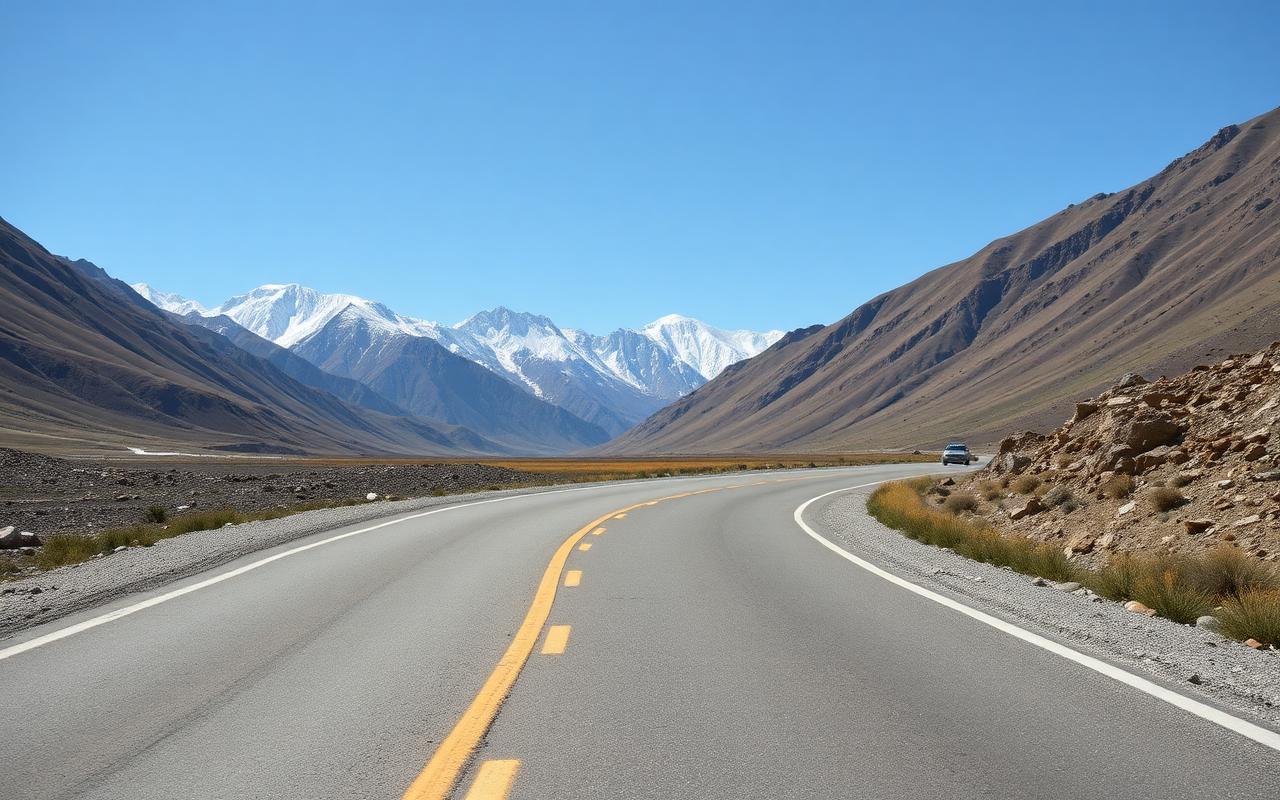
The biggest real risk in GB is road, not security. The Karakoram Highway between Mansehra and Chilas runs through Kohistan, a long, twisting, exposed section with occasional landslide risk in monsoon. We never drive this stretch at night. The KKH from Gilgit upward is in excellent condition and a pleasure to drive. The Skardu Road from Gilgit has been almost fully rebuilt over the last three years. Mountain side roads (Shimshal, Chapursan, Hushe) require 4WD and an experienced driver, we use both.
Altitude and weather
- Most of GB sits at 2,200-3,000 m, gentle on most travellers.
- Khunjerab Pass (4,733 m) is drive-up; some clients feel mild altitude effects there.
- Deosai (4,100 m) is a drive-and-walk plateau; same considerations.
- Treks above 4,500 m (K2 BC, Snow Lake, Rakaposhi BC) need proper acclimatisation schedules, we build them in.
- Weather changes fast. Storms blow in within an hour at altitude. Carry layers.
Permits and NOCs
Foreign passport holders need NOC (No Objection Certificate from GB Home Department) for: Khunjerab Pass, K2 trek and Concordia, upper Hushe valley beyond Hushe village, parts of Astore, Deosai during shoulder weeks, and a handful of border-adjacent valleys. We file all of these on your behalf two to four weeks before arrival. No NOC for Hunza, Skardu town, Shigar, Khaplu town, central Deosai in season, or any of the standard tourist route.
How we plan around incidents
Every operator's job is the same: monitor, brief, adjust. We track district-level developments daily through local contacts and the GB Tourism Department, hold a no-go list that updates in real time, and reroute when needed. In 13 trip seasons we have rerouted six trips around localised incidents and never lost a day to a security event. We will refund a region rather than send clients into a question mark.
Q. Has there been a terror attack on tourists in Gilgit-Baltistan recently?
Not on tourists in over a decade. The most cited incident is the 2013 attack at Nanga Parbat base camp; security architecture around base camps and major routes has been significantly rebuilt since. Annual foreign tourist arrivals to GB have roughly tripled since 2018.
Q. Is the Karakoram Highway dangerous?
Dramatic, not dangerous. The road is fully paved, in excellent condition in upper GB, and well-trafficked. The section between Mansehra and Chilas (Kohistan) is the most exposed; we never drive it after dark. Landslide risk during monsoon (July-August) on that section is real, we monitor and reroute.
Q. Do I need a security escort in Gilgit-Baltistan?
Almost never. The few sections that require police escort (the descent through Kohistan when the local administration mandates it) are handled by your operator. Tourist movement within GB is unrestricted.
Q. Can foreigners drive themselves in GB?
Technically possible with an international permit; practically not advised. Mountain road norms are unfamiliar, signage is sparse, and 4WD experience matters above Sost. Every serious operator uses driver-included transport.
Q. Is Skardu safer than Hunza or vice versa?
Both are at the easy end of the safety spectrum. Skardu town is a slightly more conservative cultural environment; Hunza is the most relaxed. Neither has security concerns specific to foreigners.
Written by
Bilal Hussain
Safety and logistics lead
Bilal runs ground logistics, permits, NOCs, drivers, contingencies. He writes about the practical and safety side of travel in Pakistan with the directness of someone who has to make it work.
Coordinates with district authorities across Gilgit-Baltistan and KP.
More from Safety