June 2026 · 10 min · By Bilal Hussain
Pakistan for First-Time Foreign Visitors
What the guidebooks don't say. The practical and cultural ground rules that make a first trip to Pakistan land well.
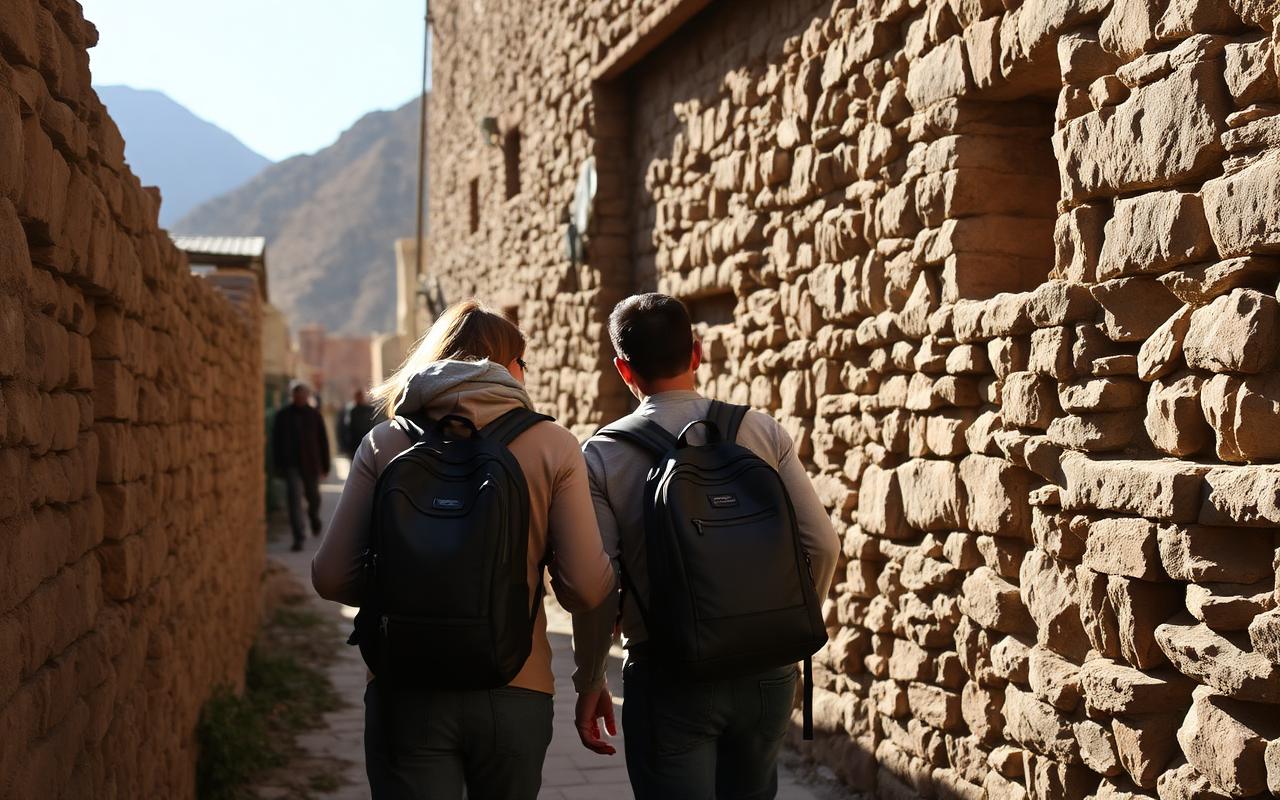
Pakistan is one of the most rewarding countries in the world to travel through and one of the least understood by first-time visitors. The cultural overlay is real and the small details matter, how you dress, how you greet, what you eat with which hand. This guide to pakistan for foreigners is the briefing we send to every first-time client before they fly.
Visa, on arrival, e-visa
Most nationalities now apply through the Pakistan Online Visa System (visa.nadra.gov.pk). Standard tourist visa is 90 days, single or multiple entry, processed in 7-10 working days. Cost USD 25-60 depending on nationality. A list of countries eligible for visa-on-arrival exists but is unreliable, the e-visa is the safer route. We provide a letter of invitation and itinerary as part of the application.
Money and cards
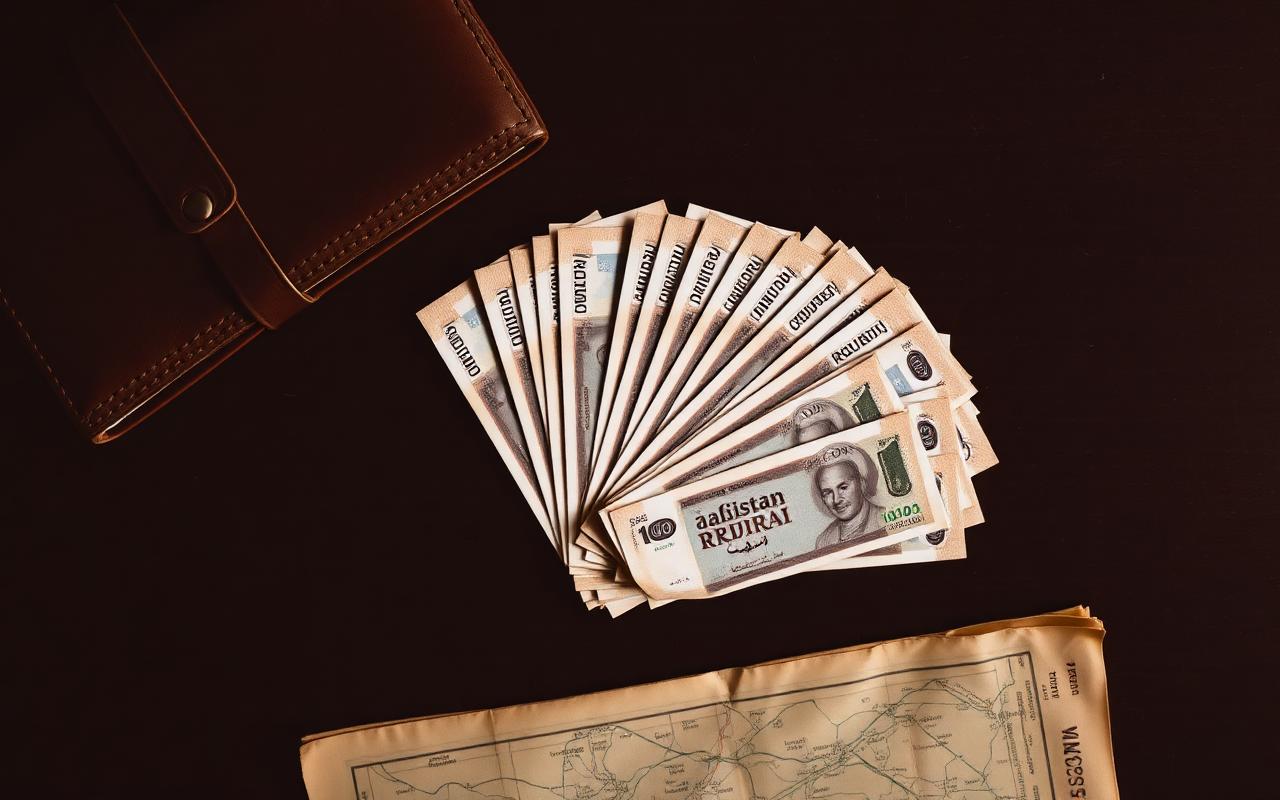
Pakistan is largely a cash economy outside major hotels and city restaurants. USD and EUR are easily exchanged in Islamabad and Lahore, bring crisp, unmarked notes. ATMs work in cities and major towns (Hunza, Skardu, Gilgit, Chitral); not reliably elsewhere. Bring a backup card. Tell your bank you're travelling, Pakistan triggers fraud locks on many international cards.
SIM and connectivity
Foreign travellers can get a Pakistani SIM but the process requires a PTA-registered local sponsor, your operator handles it on arrival. Zong has the broadest 4G coverage; SCOM is the only network in upper Gilgit-Baltistan beyond Gilgit town. Wi-Fi in hotels is generally fine in cities and patchy in the mountains. Plan to be offline in the upper valleys; treat it as a feature.
What to wear
Modest, but not costume. Long trousers or skirts below the knee. Shoulders covered. For women, a light scarf in the bag for mosques and conservative areas. For men, shorts are fine in the mountains and not in cities. Synthetic salwar kameez is comfortable and culturally welcome; buy a set in Lahore for around USD 20, the gesture lands well.
Etiquette that matters
- Greet with the right hand. Eat with the right hand. The left is for other uses.
- Remove shoes before entering homes, mosques and many shrines.
- Ask before photographing people, especially women and children. The answer is usually yes; the asking matters.
- Accept the tea. Refusing the first cup is fine; refusing the third is rude.
- Don't display affection in public. Hand-holding between men is normal friendship, between couples isn't.
Food, water, alcohol
- Tap water, no. Sealed bottled or filtered only.
- Street food, yes, with judgement. Busy stalls with high turnover are safer than empty restaurants.
- Spice, adjustable everywhere. Ask for kam masala (less spice) if you need to.
- Alcohol, technically illegal for Muslims and only available to non-Muslim foreigners through 5★ hotel permit rooms in major cities. Don't expect it in the mountains.
- Ramadan, restaurants in tourist areas stay open; sehri and iftar are highlights in themselves.
Notes for women travellers
Pakistan is meaningfully easier than its reputation suggests, particularly in Gilgit-Baltistan where the social code is gentler. Cities require more thought: dress modestly, take registered cars at night, don't walk solo through old bazaars after dark. Female travellers report Hunza as one of the easiest places they've been in Asia. Female staff at most of the hotels we use; we can put a female guide with you on request.
Notes for LGBT travellers
Same-sex relations are criminalised under Pakistani law and the social environment is conservative. The practical reality for travellers is that discretion is essential; same-sex couples should book twin rooms and avoid public displays of affection. Pakistan is travelled successfully every year by LGBT visitors but it requires care, we brief openly and honestly before deposit.
Permits and restricted areas
Foreign passport holders need NOC (No Objection Certificate) for several areas: Khunjerab Pass, parts of Khaplu/Hushe, K2 trek, Chitral border valleys, Kalash, and parts of KP and Balochistan. We arrange all of these before arrival. Some areas (Balochistan border zones, parts of FATA, Azad Kashmir LoC) are off-limits regardless of permit, we won't run trips there.
Q. Do I need a guide as a foreigner in Pakistan?
Legally only in restricted areas. Practically, a guide opens doors, smooths permits, and removes friction in ways that change the trip. Independent travel is possible and many have done it well; we run private operations for travellers who'd rather spend their attention on the country than on logistics.
Q. Will I be stared at?
Probably yes, especially outside Islamabad. It is curiosity, not hostility. A smile and a salaam alaikum changes the energy immediately. Foreign visitors are still rare enough in much of Pakistan that you become an event.
Q. What should I learn to say?
Salaam alaikum (greeting), shukria (thank you), bohut accha (very good), kam masala (less spice). That's enough for the first week. People will love that you tried.
Q. Are foreign credit cards accepted?
Major hotels in Islamabad, Lahore and Karachi yes. Almost nowhere else. Plan for cash.
Q. Can I bring a drone?
Drones require a permit from PCAA and can be confiscated at the airport without one. Honestly, for most trips: leave it at home.
Written by
Bilal Hussain
Safety and logistics lead
Bilal runs ground logistics, permits, NOCs, drivers, contingencies. He writes about the practical and safety side of travel in Pakistan with the directness of someone who has to make it work.
Coordinates with district authorities across Gilgit-Baltistan and KP.
More from Planning & Logistics