June 2026 · 10 min · By Shore to Peaks Studio
The Kalash Valleys: A Travel Guide
Three small valleys in Chitral hold one of Asia's last pre-Islamic cultures. How to visit them well, and what not to do.
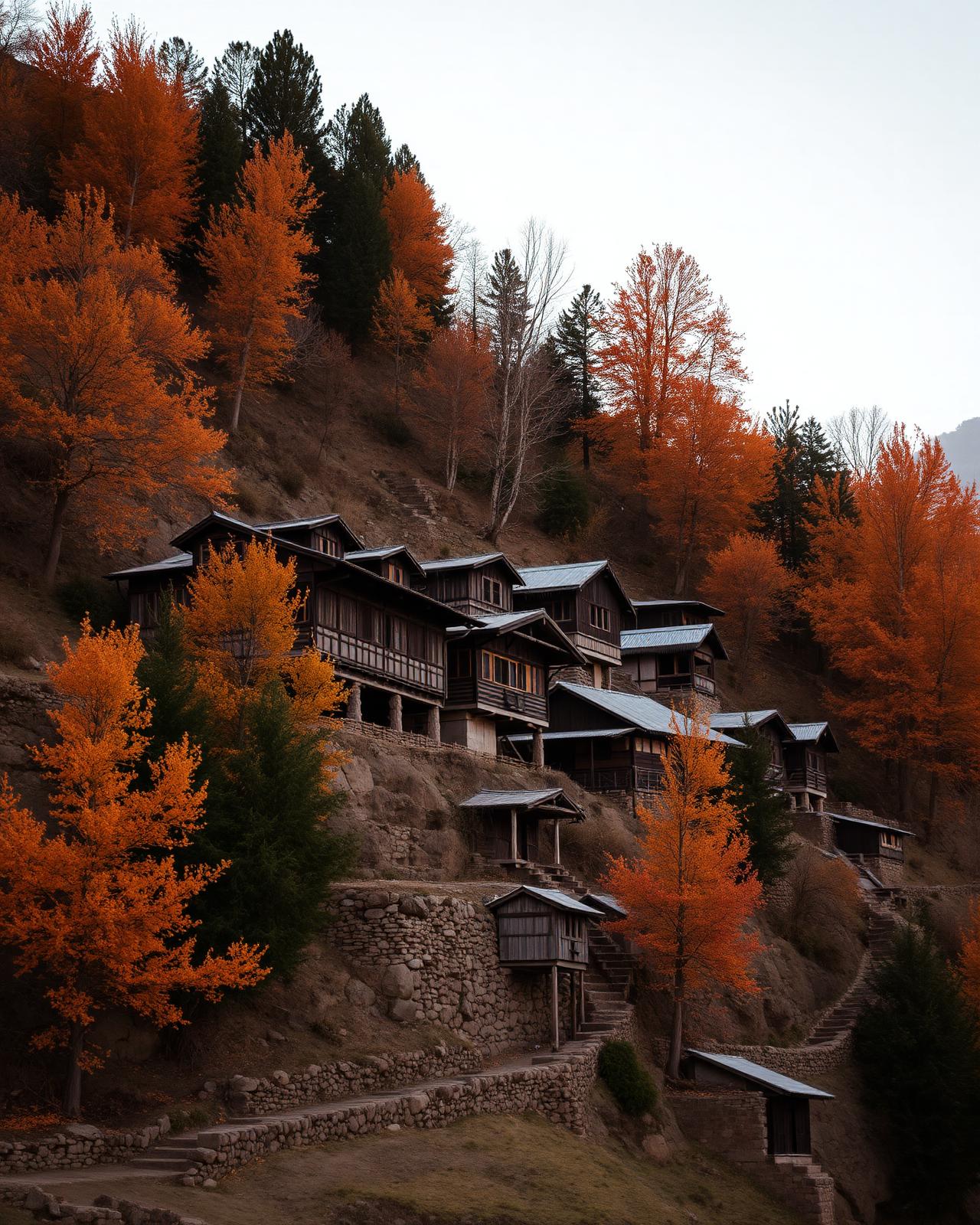
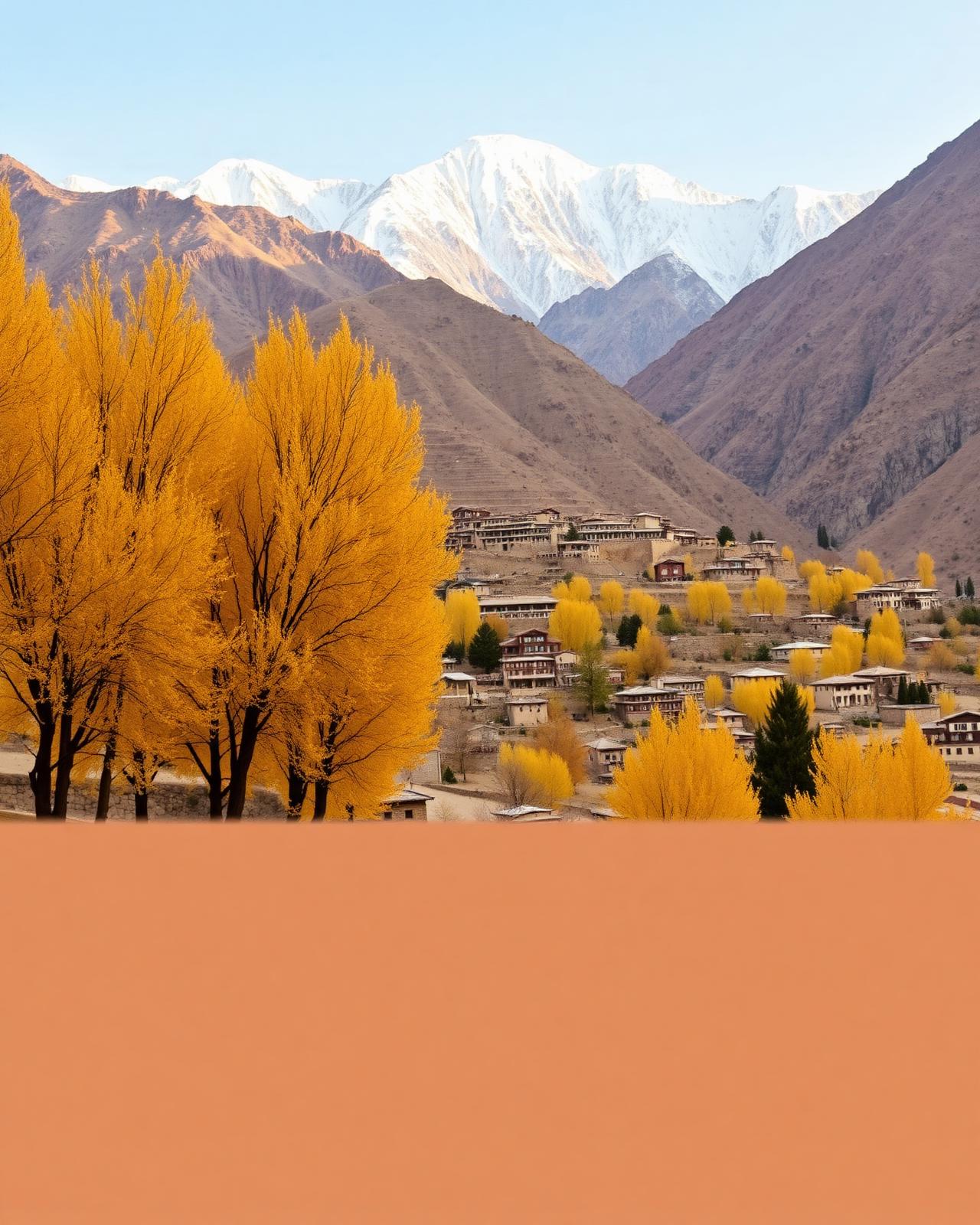
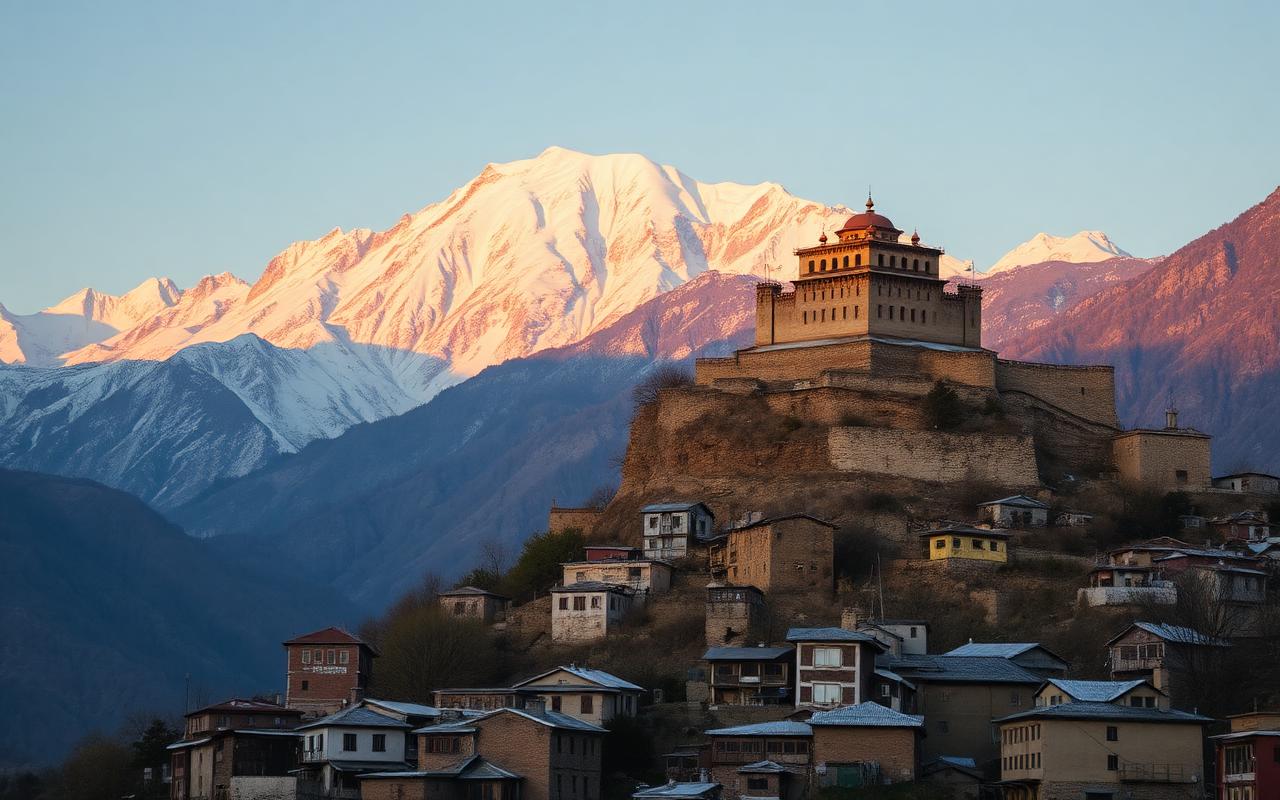
The kalash valleys pakistan are three small Hindu Kush valleys in southern Chitral, Bumburet, Rumbur and Birir, home to roughly 4,000 Kalasha people who practice an animist religion older than the Indo-Aryan world that surrounds them. They are the last remaining non-Muslim indigenous community in Pakistan and one of the most quietly extraordinary places to visit in the country. The travel rules here are slightly different from anywhere else in Pakistan, and they matter.
Who the Kalash are
Kalasha origin theories are several, some claim descent from Alexander's soldiers, more credibly they are an indigenous Dardic group whose isolation in these three valleys preserved a pre-Islamic Hindu Kush religion centred on ancestor spirits, mountain deities and seasonal festivals. Women wear black robes covered in beadwork and the distinctive kupas headdress; men wear local salwar kameez with embroidered waistcoats. The language is Kalasha-mun, related to neighbouring Dardic languages but distinct.
The three valleys
- Bumburet, the largest, easiest to reach, most developed for visitors. Several guesthouses and the Kalash Museum.
- Rumbur, the smaller, more traditional valley reached on a separate side road. Quieter, with the most respected Kalasha elders.
- Birir, the smallest, most remote, with the most preserved religious life. Difficult road in.
The festivals
Three annual festivals draw outside visitors. Visiting during one is the obvious choice for a first trip, and the moment to be most careful about respectful behaviour.
| Festival | When | What |
|---|---|---|
| Chilam Joshi (Joshi) | Mid-May (around 13-16 May) | Spring festival. Music, dance, the milk libation ritual. The most photographed. |
| Uchal | Around 20-22 August | Harvest festival. Wine-drinking, walnut and cheese offerings. Smaller crowds. |
| Chowmas (Chitirmas) | 14-22 December | Winter solstice festival, the most sacred. Restricted access during the most sacred nights; respect the rules. |
When to go
May to October for road access; the valleys can be cut off by snow December-February. For festivals: book months ahead, Joshi accommodation in Bumburet sells out by January. For a quieter visit, late September is our pick, autumn light, walnut harvest, fewer outside visitors.
Getting there
From Islamabad, the most pleasant route is to fly Islamabad-Chitral (PIA, weather-dependent, ~1 hour) and drive from Chitral town to Bumburet in 2.5 hours. The road option is Islamabad → Chakdara → Lowari Tunnel → Chitral, roughly 12 hours of driving spread over two days. The Shandur Pass approach from Gilgit is open July-September only and is one of the most spectacular drives in Pakistan.
Where to stay
- Kalash Continental, Bumburet, the long-running option, simple but well-located.
- Hindu Kush Heights, Chitral town, the boutique base for clients who prefer day-tripping into the valleys.
- Local Kalasha homestays, possible through a guide; arrange in advance and pay fairly.
How to visit respectfully
- Always ask before photographing Kalasha women. The headdress is not a costume.
- Don't enter sacred sites (the Jestak Han temples, altars at the head of each valley) without explicit permission.
- Don't bring or distribute conversion literature. The community has been pressured for generations and is protective of its identity.
- Don't offer alcohol to people who haven't asked. Don't refuse it when offered, it's part of the festival fabric.
- Use a Kalasha guide where possible. Wages staying in the valley keep the culture viable.
- Pay for traditional dress photos, it is a working transaction, not a free posed moment.
Q. Are the Kalash valleys safe to visit?
Yes. The valleys sit in lower Chitral district which has been calm for many years. Foreign passport holders need a routine NOC for the valleys, which we arrange in advance. Visible tourist police presence during the festivals; standard travel judgement otherwise.
Q. When is the best Kalash festival to attend?
Joshi in mid-May is the most accessible and the most photographed. Chowmas in December is the most sacred and the most restricted, only suitable for travellers willing to accept that several of the rituals are closed to outsiders. Uchal in August is the middle ground.
Q. Can I stay in a Kalasha home?
Yes, with prior arrangement through a guide. Pay fairly, USD 25-40 per person per night including meals is the right register. Bring small gifts (tea, sugar, candles); do not bring alcohol unsolicited.
Q. Is photography allowed?
Of landscapes and architecture yes. Of people only with permission, and not at all during certain ritual moments, your guide will brief you each day. Drone photography is restricted in the sacred zones at the heads of the valleys.
Q. How many days do I need in the Kalash valleys?
Two minimum, three if you want to see more than just Bumburet, four to a week if you're attending a festival end-to-end. Less than two and the long road in doesn't justify itself.
Written by
Shore to Peaks Studio
The studio
We design private journeys through Pakistan from our studios in Lahore and Hunza. The studio voice means the piece was written collectively by the team that runs the trip on the ground.
Operating in Pakistan since 2018.
More from Destinations